+86 574 8117 8830
When selecting materials for demanding applications — from industrial insulation and fire protection to aerospace, marine, and protective equipment — understanding the differences between fiberglass, aramid, carbon fiber, and polyester is essential. Each material offers distinct advantages in heat resistance, strength, flexibility, weight, and cost.
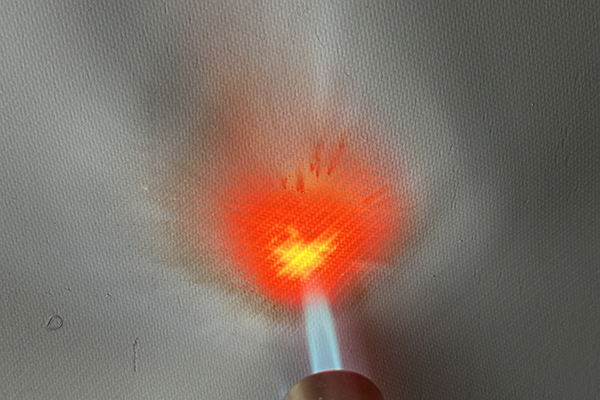
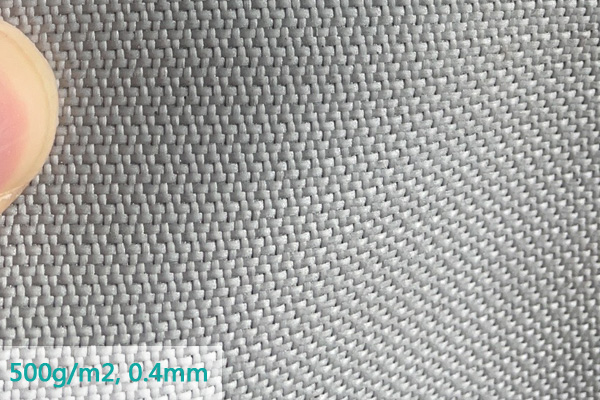
Fiberglass: Offers excellent thermal stability with continuous operating temperatures around 540–550°C and a melting point near 1100°C. Non-combustible and dimensionally stable under prolonged heat exposure, making it ideal for industrial insulation and fire protection.
Aramid (such as Kevlar® and Nomex®): Does not melt and can typically withstand continuous temperatures up to 350–370°C. Begins to carbonize or degrade above 400°C. Known for outstanding flame resistance, toughness, and thermal protection.
Carbon Fiber: Provides exceptional high-temperature performance. In non-oxidizing environments, it can remain stable at temperatures above 1000°C and up to 3000°C. It is non-combustible, lightweight, and highly rigid.
Polyester: Designed for lower-temperature environments. It softens around 150°C and melts near 250–260°C, making it suitable mainly for general-purpose and low-heat applications.
| Property | Fiberglass | Aramid | Carbon Fiber | Polyester |
|---|---|---|---|---|
| Heat Resistance | Excellent (up to 550°C) | Very Good (up to 370°C) | Outstanding (>1000°C) | Poor (~150°C) |
| Tensile Strength | Good | Excellent | Excellent | Moderate |
| Weight / Density | Relatively Heavy | Very Light | Light | Light |
| Flexibility | Moderate | Excellent | Low (Brittle) | Excellent |
| Cost | Low | High | High | Very Low |
| Abrasion Resistance | Moderate | Excellent | Moderate | Good |
| Chemical Resistance | Good | Good (sensitive to strong acids/UV) | Excellent | Moderate |
| Electrical Conductivity | Non-conductive | Non-conductive | Conductive | Non-conductive |
EAS Fiberglass provides one of the best balances of heat resistance, durability, and affordability. It is widely used in:
Thermal insulation
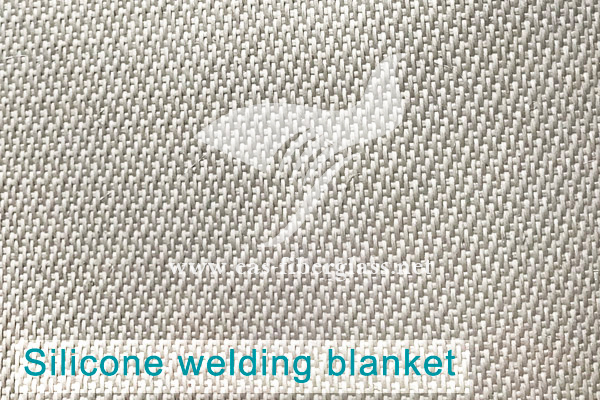
Welding blankets and curtains
Fireproof fabrics
Marine composites
Industrial protective covers
Structural reinforcement materials
Its main disadvantages are higher weight, lower flexibility, and potential skin irritation during handling.
Aramid fibers are valued for their exceptional strength-to-weight ratio, flexibility, and resistance to cuts and abrasion. Common applications include:
Firefighter clothing
Heat-resistant gloves
Ballistic armor
Aerospace components
High-performance ropes and cables
Industrial PPE
Aramid materials are ideal for wearable protection but may degrade under prolonged UV exposure or strong acidic conditions.
Carbon fiber is preferred when maximum stiffness, lightweight performance, and extreme heat resistance are required. Typical uses include:
Aerospace structures
Heat shields
High-performance composites
Automotive racing parts
Industrial high-temperature applications
However, carbon fiber is relatively brittle and electrically conductive, which may limit use in some environments.
Polyester remains a practical and economical option for applications where heat exposure is limited. It offers:
Good flexibility
UV resistance
Moisture resistance
Easy processing
Low cost
Commonly used in:
General industrial fabrics
Outdoor textiles
Bags and covers
Standard protective products
Fiberglass performs exceptionally well in static high-temperature insulation and large-scale industrial applications.
Aramid delivers the best combination of flexibility, toughness, and personal protection performance.
Carbon fiber excels in ultra-high-temperature and structural applications requiring rigidity and lightweight construction.
Polyester is best suited for economical, low-temperature applications.
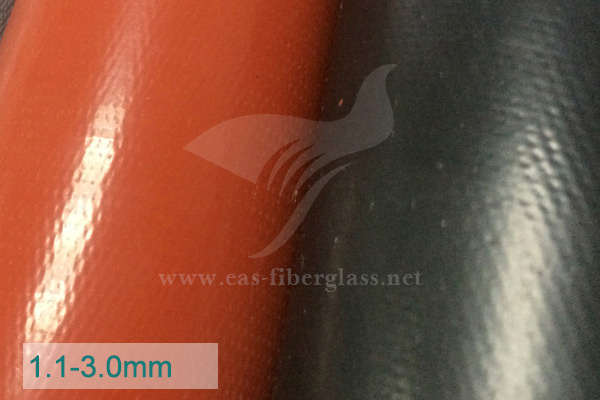
Protective coatings such as silicone, PTFE, PU, acrylic, or vermiculite can further improve abrasion resistance, chemical resistance, waterproofing, and thermal performance across these materials.
There is no single “best” high-performance fabric — the ideal choice depends on the specific application requirements.
Choose fiberglass for cost-effective high-temperature insulation.
Choose aramid for flexible, wearable protection and superior toughness.
Choose carbon fiber for extreme heat resistance and structural performance.
Choose polyester for economical, lightweight, low-heat applications.
When selecting a material, consider:
Operating temperature
Mechanical stress
Flexibility requirements
Weight limitations
Chemical exposure
Budget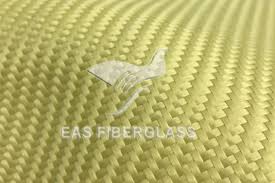
EAS Fiberglass Co., Ltd is a professional fiberglass products supplier and provides comprehensive and effective material industrial solutions covering the market of high-performance FRP, highly effective temperature insulation, and highly convenient construction. Nowadays, EAS owns various product lines of fiberglass yarn forming, woven fabrics, fabric coating/lamination, FRP, etc. The complete product lines enable EAS to master the quality control and products market competitive. Taking this advantage involves us in many projects and enhance brand promotion. Certified ISO9001-2008 equips EAS staff and management with a more professional operation. Certification of test reports for products is made by third-party laboratories SGS, TUV, DNV, etc.