+86 574 8117 8830
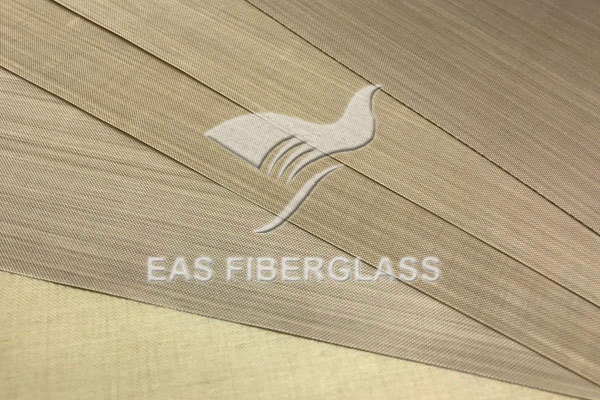
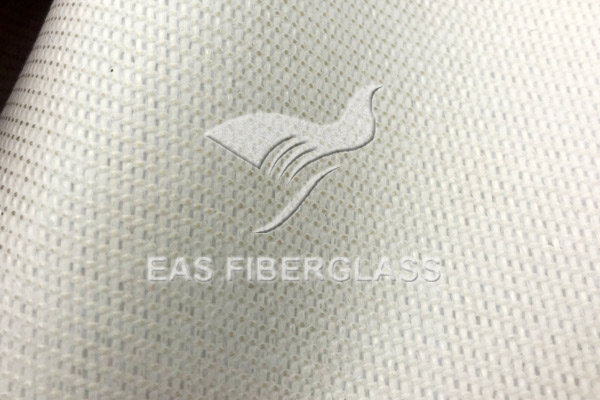
PTFE fiberglass fabric, also known as PTFE coated fiberglass fabric or Teflon fiberglass fabric, is a high-performance industrial material that combines the mechanical strength of fiberglass with the excellent properties of PTFE (polytetrafluoroethylene). Due to its outstanding heat resistance, non-stick surface, chemical stability, and durability, PTFE fiberglass fabric is widely used in industries including food processing, packaging, industrial insulation, chemical processing, electronics, and machinery manufacturing.
However, different applications require different fabric structures, thicknesses, coatings, and performance characteristics. Choosing the right PTFE fiberglass fabric requires careful consideration of operating temperature, mechanical requirements, surface properties, and application conditions.
This guide explains the key factors to consider when selecting the most suitable PTFE Teflon fiberglass fabric for your project.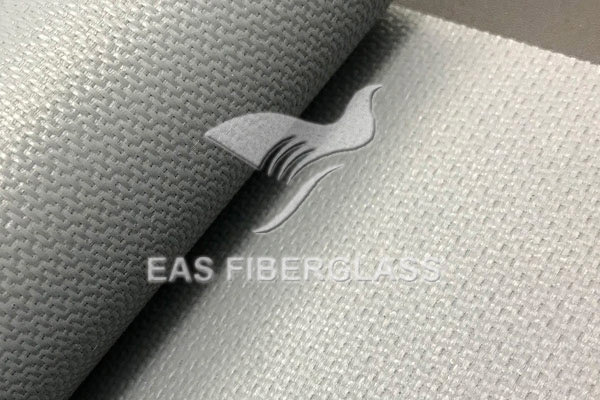
PTFE fiberglass fabric is manufactured by coating woven fiberglass cloth with PTFE resin. The fiberglass substrate provides excellent strength and dimensional stability, while the PTFE coating creates a smooth, chemical-resistant, and heat-resistant surface.
The fiberglass base offers:
High tensile strength
Excellent dimensional stability
Resistance to aging
Good mechanical durability
The PTFE coating provides:
Non-stick performance
Low friction
Chemical resistance
Weather resistance
High-temperature stability
The combination of these two materials creates a composite fabric capable of performing in demanding industrial environments.
Selecting the correct PTFE fiberglass fabric depends on several important factors, including temperature requirements, fabric structure, thickness, surface treatment, and application environment.
Temperature resistance is one of the most important factors when selecting PTFE coated fiberglass fabric.
Standard PTFE fiberglass fabrics are commonly used in continuous temperature environments up to approximately 260°C. Some specialized grades can withstand higher short-term temperatures depending on the structure and coating technology.
Before choosing a fabric, consider:
Maximum operating temperature
Continuous working temperature
Short-term temperature peaks
Heating and cooling cycles
For example:
Food baking equipment may require stable heat resistance during continuous operation.
Industrial insulation covers may require thicker fabrics with better thermal protection.
Heat sealing machines may require excellent temperature stability and release performance.
Choosing a material with insufficient temperature resistance may cause coating degradation, fabric deformation, or reduced service life.
PTFE fiberglass fabric is available in different thicknesses to meet various application requirements.
Advantages:
Better flexibility
Easier installation
Suitable for curved surfaces
Common applications:
Heat sealing tapes
Release sheets
Packaging machines
Small protective covers
Provides a balance between flexibility and durability.
Applications:
Conveyor belts
Industrial liners
Heat-resistant covers
Advantages:
Higher mechanical strength
Better abrasion resistance
Longer service life
Applications:
Heavy-duty conveyor systems
Industrial insulation applications
High-stress environments
The correct thickness depends on whether the priority is flexibility, strength, or durability.
The fiberglass base can be manufactured using different weaving methods, which affect performance.
Plain weave PTFE fiberglass fabric offers:
Good dimensional stability
Balanced strength
Smooth surface
It is commonly used for general industrial applications.
Twill weave provides:
Better flexibility
Improved handling performance
Higher fabric softness
It is suitable for applications requiring bending or repeated movement.
Satin weave offers:
Smooth surface
Higher flexibility
Better conformability
It is often selected for advanced applications requiring excellent surface finish.
The choice of weave depends on mechanical requirements and installation conditions.
One of the main advantages of PTFE fiberglass fabric is its low-friction and non-stick surface.
Different applications require different surface characteristics.
A smooth PTFE surface provides:
Excellent release performance
Easy cleaning
Low material adhesion
Common uses:
Food processing equipment
Heat presses
Packaging machinery
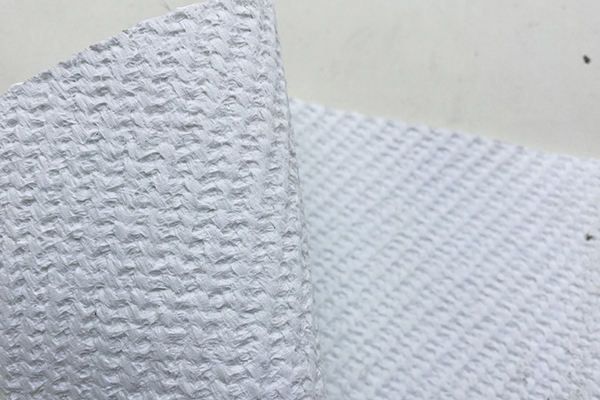
Textured PTFE fabrics provide improved grip and friction control.
Applications include:
Conveyor systems
Industrial processing equipment
Choosing the correct surface finish improves production efficiency and reduces maintenance requirements.
PTFE is known for excellent chemical resistance. It can withstand exposure to many acids, alkalis, oils, and solvents.
For industries such as chemical processing or laboratory equipment, PTFE fiberglass fabric provides reliable protection against corrosive environments.
When selecting the material, consider:
Type of chemicals involved
Concentration levels
Exposure duration
Operating temperature
A suitable PTFE fabric can help extend equipment life and reduce maintenance costs.
PTFE fiberglass products are available in different forms depending on application needs.
This is the most common type.
Applications:
Insulation covers
Release sheets
Industrial liners
Protective covers
Open mesh designs allow air circulation and faster heat transfer.
Common applications:
Drying equipment
Food processing conveyors
Printing machines
PTFE tape combines fiberglass reinforcement with an adhesive backing.
Applications:
Heat sealing machines
Electrical insulation
Packaging equipment
The product form should match the operating requirements of the application.
For industries such as food processing and electronics, certification requirements are important.
Reliable PTFE fiberglass fabric suppliers usually provide:
Material specifications
Temperature resistance data
Quality inspection reports
Food-grade certifications when required
For example, PTFE coated fiberglass fabrics may be available with certifications such as FDA, LFGB, SGS, RoHS, or UL depending on the application.
Certification verification helps ensure the material meets industry requirements.
Due to its excellent properties, PTFE fiberglass fabric is used in many industries.
Applications:
Baking sheets
Conveyor belts
Release liners
Food drying equipment
Benefits:
Non-stick surface
Easy cleaning
Food-contact compliance
PTFE fiberglass fabric is commonly used for:
Removable insulation blankets
Valve covers
Pipe insulation systems
Heat protection covers
Its heat resistance and durability make it suitable for industrial thermal protection.
Applications:
Heat sealing machines
Shrink packaging equipment
Plastic film processing
The non-stick surface prevents melted materials from sticking to equipment.
Applications:
Corrosion-resistant linings
Protective covers
Machine components
PTFE fiberglass fabric helps improve equipment reliability in harsh environments.
A professional supplier should provide:
Detailed product specifications
Customized thickness and width options
Technical support
Quality inspection documents
Application recommendations
Experienced manufacturers can help select the correct combination of fiberglass structure and PTFE coating based on actual working conditions. (WellFlon)
Choosing the right PTFE Teflon fiberglass fabric requires understanding your application's temperature, mechanical, chemical, and surface requirements.
Important factors include:
Operating temperature
Fabric thickness
Fiberglass weave structure
Surface finish
Chemical exposure
Certification requirements
With the correct material selection, PTFE fiberglass fabric can provide long-term performance, reduce maintenance costs, and improve efficiency in demanding industrial applications.
Whether used for heat sealing equipment, industrial insulation, food processing, or chemical protection, high-quality PTFE coated fiberglass fabric offers a reliable solution for extreme working environments.