+86 574 8117 8830
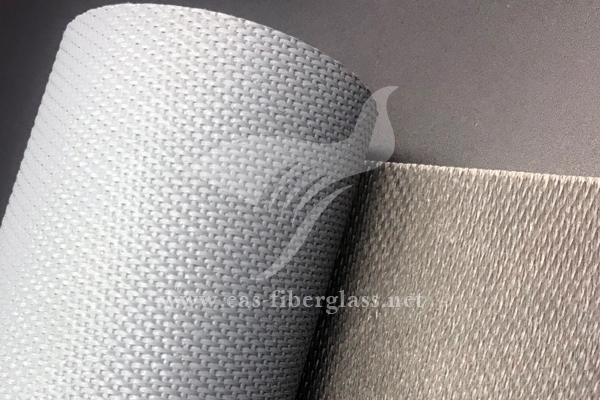
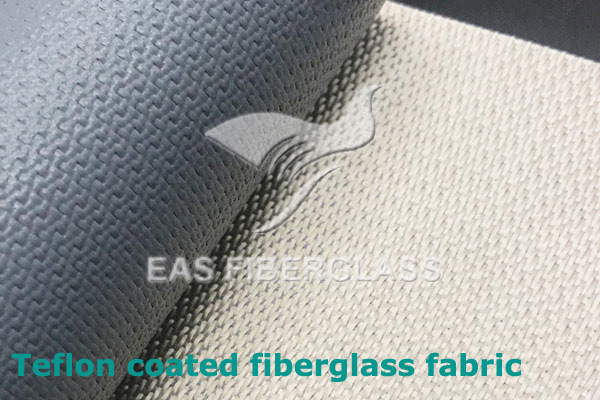
PTFE coated glass fiber fabric is a high-performance composite material that combines the mechanical strength of fiberglass fabric with the excellent properties of PTFE (polytetrafluoroethylene) coating. Due to its outstanding heat resistance, chemical stability, non-stick surface, and durability, this material has become widely used in industries such as industrial insulation, food processing, aerospace, chemical manufacturing, construction, and mechanical equipment.
This comprehensive guide explains the structure, advantages, common types, applications, and key factors to consider when selecting PTFE coated glass fiber fabrics.
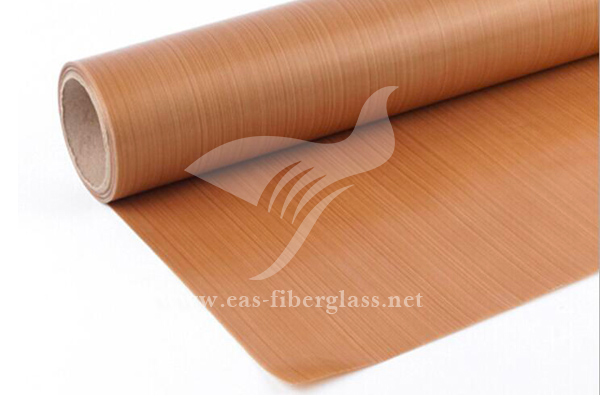
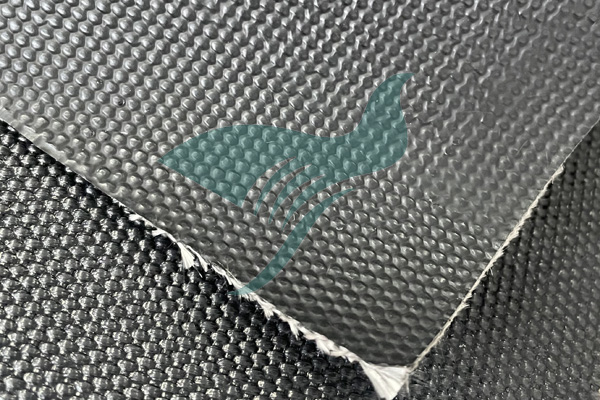
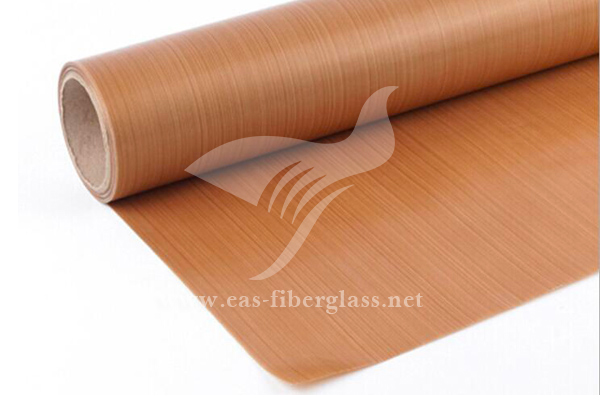
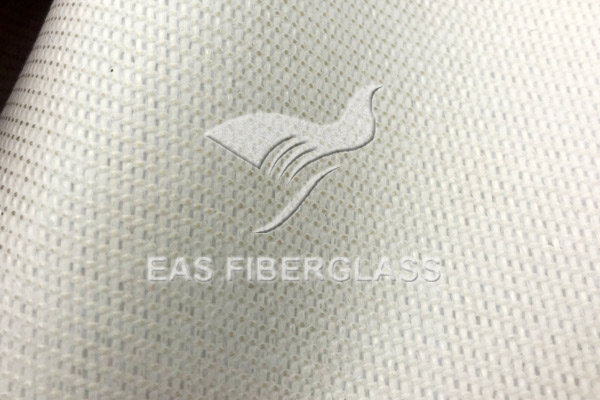
PTFE coated glass fiber fabric is produced by impregnating or coating woven fiberglass fabric with PTFE resin. The fiberglass provides structural strength and dimensional stability, while the PTFE coating adds heat resistance, chemical resistance, low friction, and non-stick performance.
The combination creates a material that can withstand demanding environments where ordinary fabrics cannot perform effectively. It is often selected for applications requiring long service life, stable performance, and resistance to extreme operating conditions.
Fiberglass fabric serves as the supporting structure of the composite material.
Key advantages include:
High tensile strength
Excellent dimensional stability
Resistance to heat and aging
Good mechanical durability
Resistance to most chemicals
Different weaving styles, including plain weave, twill weave, and satin weave, provide different levels of flexibility, strength, and surface smoothness.
The fiberglass base allows PTFE coated fabric to maintain its shape even when exposed to mechanical stress or temperature changes.
PTFE is a fluoropolymer known for its exceptional chemical stability and low friction characteristics.
The PTFE coating provides:
Excellent non-stick performance
High temperature resistance
Weather resistance
Low surface energy
Resistance to acids, alkalis, and solvents
Because of these properties, PTFE coated glass fiber fabric can maintain reliable performance in harsh industrial environments. (WellFlon)
One of the most important features of PTFE coated fiberglass fabric is its ability to operate under high temperatures.
Depending on the product structure and coating thickness, PTFE coated glass fabric can typically withstand continuous temperatures around 260°C and short-term exposure to higher temperatures.
This makes it suitable for:
Heat insulation covers
Welding protection materials
Heat sealing equipment
Industrial conveyor belts
High-temperature processing equipment
Unlike many conventional fabrics, PTFE coated glass fiber fabric maintains its strength and surface performance during repeated heating cycles.
PTFE is one of the most chemically stable industrial materials available. It can resist many corrosive chemicals, including acids, alkalis, and organic solvents.
This makes PTFE coated fiberglass fabric suitable for applications in:
Chemical plants
Laboratory equipment
Corrosion-resistant linings
Industrial protective covers
The material helps reduce equipment corrosion and extends service life in aggressive environments.
PTFE has an extremely low surface energy, making it difficult for other materials to adhere.
This non-stick property provides significant benefits in manufacturing processes involving:
Adhesives
Plastic films
Food materials
Rubber products
Resin compounds
For example, PTFE conveyor belts help prevent materials from sticking during continuous production, reducing cleaning time and improving efficiency.
The smooth PTFE surface creates a low-friction environment, reducing wear between materials and equipment.
Benefits include:
Less material buildup
Easier cleaning
Reduced maintenance requirements
Longer equipment service life
This makes PTFE coated fiberglass fabric popular in mechanical processing and industrial automation systems.
PTFE coated glass fiber fabrics are highly resistant to sunlight, moisture, and environmental aging.
They can maintain performance in outdoor applications such as:
Architectural membrane structures
Outdoor protective covers
Industrial shelters
The material does not easily degrade under long-term exposure to weather conditions.
Different industrial applications require different fabric structures and performance levels.
This is the most common type and is widely used for general industrial applications.
Features:
Good heat resistance
Smooth surface
Chemical resistance
Easy release properties
Typical applications:
Heat sealing machines
Release sheets
Insulation covers
Industrial liners
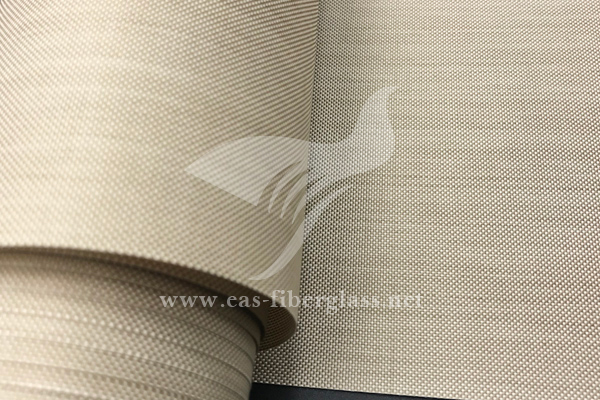
PTFE mesh fabric features an open structure that allows airflow and heat penetration.
Advantages:
Excellent ventilation
Fast drying performance
Easy cleaning
Stable operation at high temperatures
Applications include:
Food drying systems
Textile drying equipment
Printing and coating machines
PTFE coated fiberglass tape combines fiberglass strength with an adhesive backing.
It is commonly used for:
Heat sealing machines
Electrical insulation
Packaging equipment
Industrial bonding processes
The tape provides a smooth release surface while maintaining temperature resistance.
This type combines PTFE or silicone coating technologies to improve flexibility and sealing performance.
Applications include:
Expansion joints
Flexible connectors
Industrial sealing systems
Due to its unique combination of properties, PTFE coated fiberglass fabric is used across many industries.
PTFE conveyor belts and release sheets are widely used in food production because they provide:
Non-stick performance
Easy cleaning
High temperature resistance
Common applications include:
Baking ovens
Food drying equipment
Packaging machines
PTFE coated fiberglass fabric is used in removable insulation covers and thermal protection systems.
Applications include:
Valves
Pipes
Exhaust systems
Heat equipment
The material helps reduce heat loss and improves workplace safety.
Its corrosion resistance makes it suitable for:
Chemical equipment protection
Tank linings
Pipe protection
Sealing components
PTFE coated glass fiber fabrics are also used as architectural membrane materials.
Advantages include:
Long service life
Weather resistance
Self-cleaning properties
Lightweight structure
They are commonly found in stadium roofs, large public buildings, and outdoor structures.
The material is used in applications requiring reliability under demanding conditions.
Examples include:
Thermal protection components
Electrical insulation
Precision equipment protection
When selecting PTFE coated fiberglass fabric, consider the following factors:
Determine the maximum operating temperature. Higher temperature environments may require thicker fiberglass structures or specialized coatings.
Thicker fabrics usually provide better durability and mechanical strength, while thinner fabrics offer greater flexibility.
Different applications require different surface finishes, such as:
Smooth release surface
Anti-static surface
Wear-resistant coating
Consider exposure to:
Chemicals
Moisture
UV radiation
Mechanical stress
Choosing the correct fabric structure ensures better performance and longer service life.
PTFE coated glass fiber fabric is a versatile industrial material that combines fiberglass strength with PTFE’s outstanding heat resistance, chemical stability, and non-stick performance.
From industrial insulation and food processing to chemical equipment and architectural applications, this material provides reliable solutions for demanding environments.
By understanding the different types, properties, and application requirements, businesses can select the most suitable PTFE coated glass fiber fabric to improve efficiency, safety, and long-term performance.