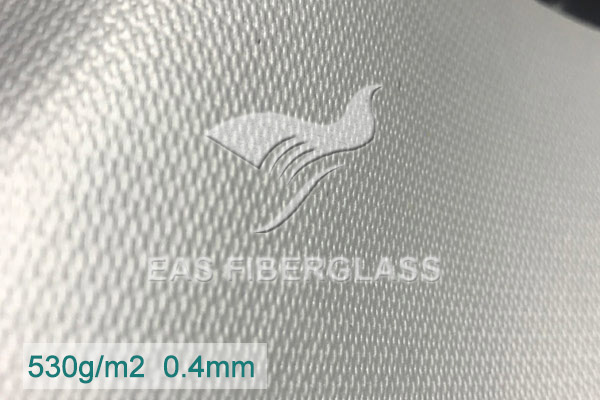
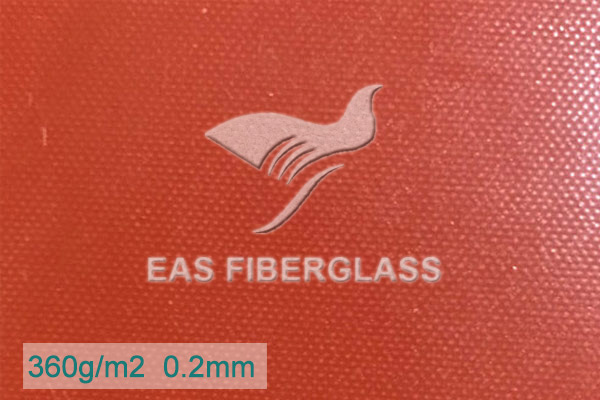
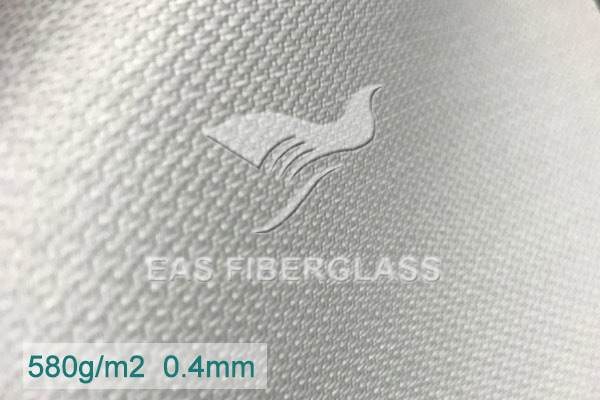
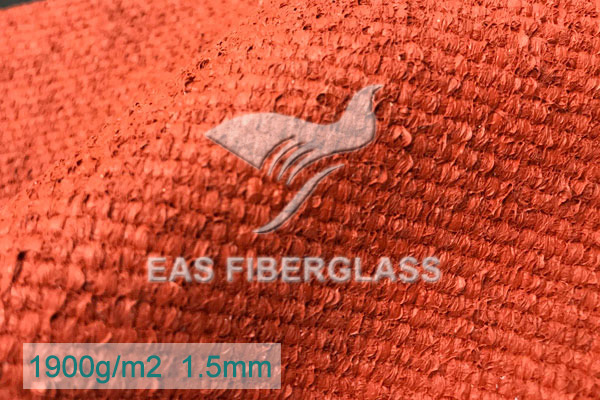
 The Properties of Silicone-Coated Fiberglass
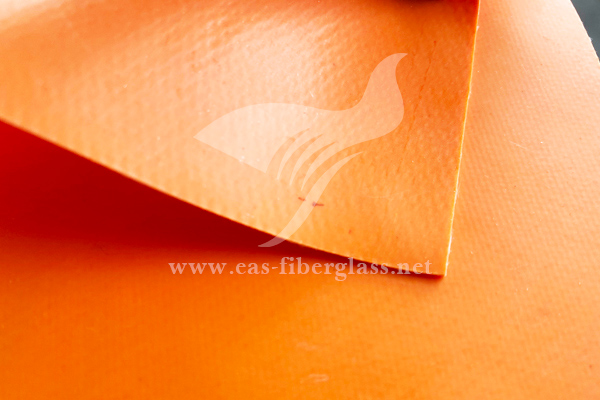
Silicone-coated fiberglass offers many advantages; here, we focus on why silicone is applied to fabric. EAS Fiberglass produces a wide range of silicone-coated fabrics using various base materials combined with silicone rubber compounds, delivering multiple performance benefits:
- Abrasion and corrosion resistance
- Excellent chemical resistance
- Durable across a wide temperature range (-70°C to 550°C)
- High flexibility
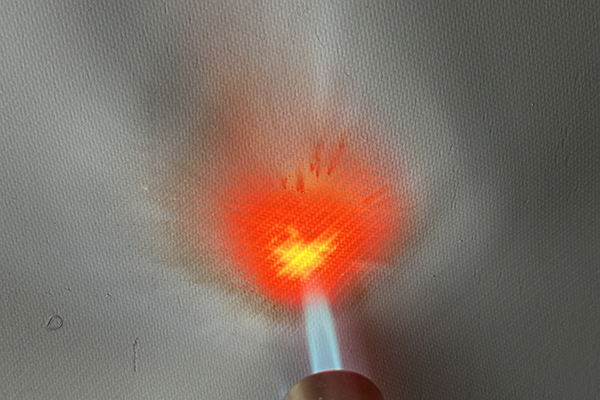
- Flame and heat resistance
- Oil and water resistance
- Strong weather resistance
- Available in weights from 7 oz/sy to 90 oz/sy
In addition, these fabrics can be produced in various colors and fully customized to meet specific application requirements.
Key Physical & Thermal Properties
Silicone-coated fiberglass fabric delivers balanced performance across multiple properties, not just temperature resistance. Typical values include:
- Service temperature: −60°C to +230°C (peaks to 260°C)
- Tensile strength: 1,500–4,500 N/5 cm
- Tear resistance: 150–500 N
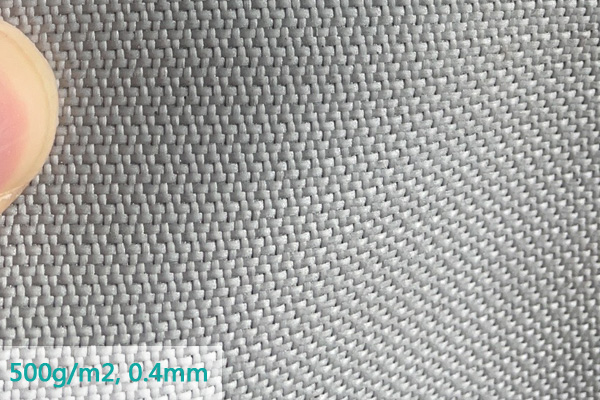
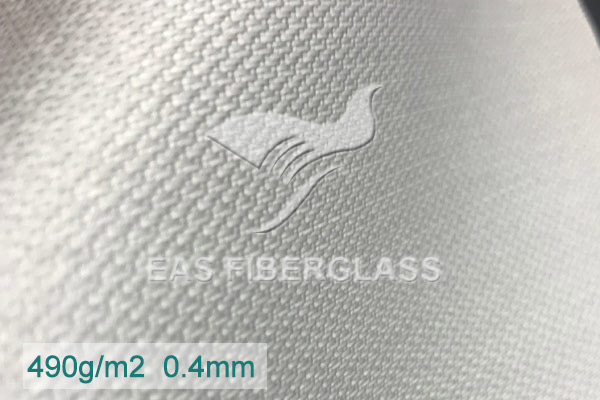
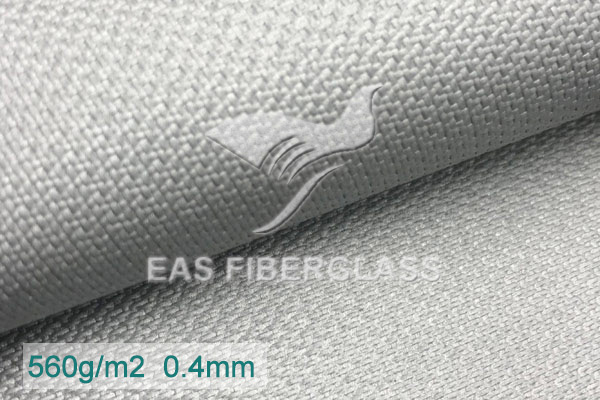
- Weight: 400–1,500+ gsm
- Cold flexibility: no cracking at −60°C
- Flame resistance: self-extinguishing (UL 94 V-0 available)
- Dielectric strength: 10–25 kV/mm
Its wide temperature range (~300°C span) enables use in both extreme cold and high-heat environments—an advantage over PTFE (less flexible in cold) and neoprene (lower heat resistance).
Coating Variants
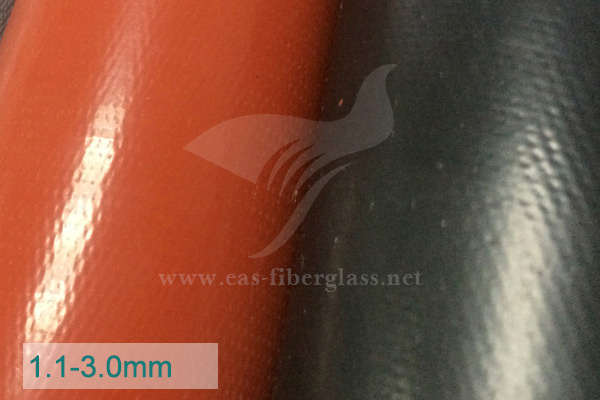
Performance depends on formulation, not color.
- Red: slightly higher heat resistance (in some grades)
- Gray: general-purpose, cost-effective
- White: clean/food-grade applications
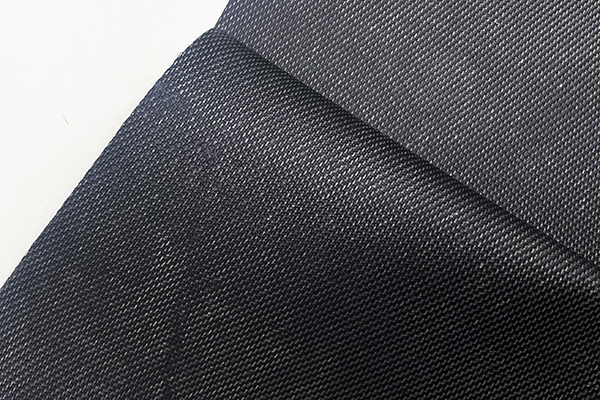
- Black: improved UV resistance for outdoor use
Single vs. Double Coating
- Single-coated: one-sided protection, better grip on uncoated side
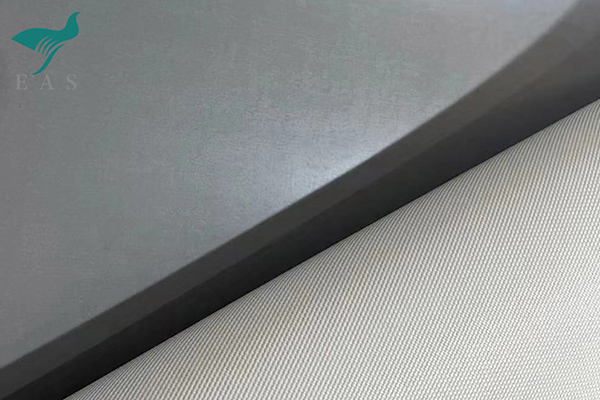
- Double-coated: full protection, better sealing and durability (standard for expansion joints, fire curtains)
The Applications of Silicone-Coated Fiberglass
Silicone-coated fiberglass is made of glass fiber cloth and coated with silicone rubber. Often referred to as silicone-coated fiberglass cloth, the fabric is typically engineered for use in industrial applications where high levels of resistance are required against extreme temperatures, flames and chemicals. EAS Fiberglass can manufacture silicone-coated fiberglass fabrics to fit your applications, but examples of where our product range has been used include the following:
Industrial Expansion Joints
Silicone-coated fiberglass is used in fabric expansion joints to handle heat (150–250°C), chemicals, and constant movement. It maintains flexibility, strength, and gas-tight sealing in industries like power, cement, steel, and waste-to-energy.
Welding Blankets & Fire Curtains
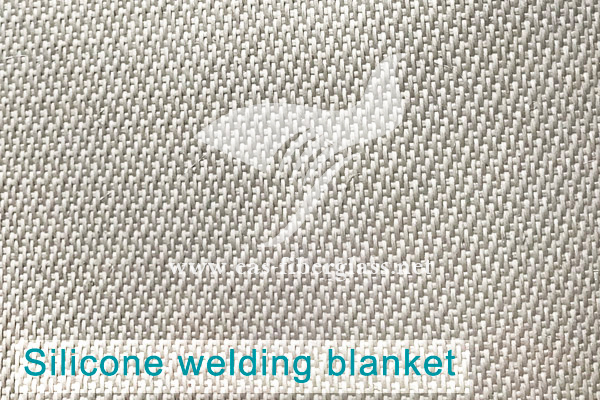
Provides protection from sparks, spatter, and heat. The silicone surface resists burn-through, while fiberglass ensures durability. Used for welding blankets (400–600 gsm) and fire curtains (600–1,000 gsm).
Removable Insulation Covers
Acts as a durable outer layer for insulation jackets, protecting against moisture, damage, and contamination. Flexible and reusable, allowing easy maintenance access and cost savings.
Aerospace & High-Temp Sealing
Used in thermal blankets, exhaust insulation, and seals. Offers lightweight, high-temperature resistance, and stability under thermal cycling—ideal for demanding aerospace and military applications.
EAS Fiberglass’s Range of Silicone-Coated Fiberglass Fabrics
EAS Fiberglass manufactures a range of Silicone Coated Fabrics, Tapes and Ropes for industrial applications that require high levels of resistance to abrasion, chemicals and high temperature.
Our products include the following:
SF 10-NF: This product is manufactured using lightweight fiberglass fabric and silicone rubber. It is highly resistant to abrasion and flames, making it a solid choice for applications that protect personnel and equipment.
SF2 12-NF: A high-performance fiberglass fabric coated with a polymer coating. This fabric is used in the aerospace industry for cargo liners and smoke curtains due to its fire retardant properties as well as being weather and UV resistant.
SF17 Premium: The SF17 is manufactured with a strong woven fiberglass fabric and silicone rubber on both sides. It has been designed to exceed industry standards and is an ideal solution for thermal insulation requirements.
If you are ready to purchase an Silicone Coated Fabric or require any additional information, get in touch with us today and let’s find the perfect solution for your application.
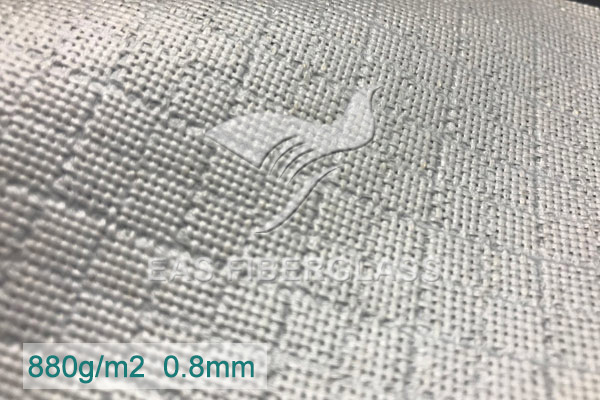
EAS Fiberglass Co., Ltd is a professional fiberglass products supplier and provides comprehensive and effective material industrial solutions covering the market of high-performance FRP, highly effective temperature insulation, and highly convenient construction. Nowadays, EAS owns various product lines of fiberglass yarn forming, woven fabrics, fabric coating/lamination, FRP, etc. The complete product lines enable EAS to master the quality control and products market competitive. Taking this advantage involves us in many projects and enhance brand promotion. Certified ISO9001-2008 equips EAS staff and management with a more professional operation. Certification of test reports for products is made by third-party laboratories SGS, TUV, DNV, etc.