+86 574 8117 8830
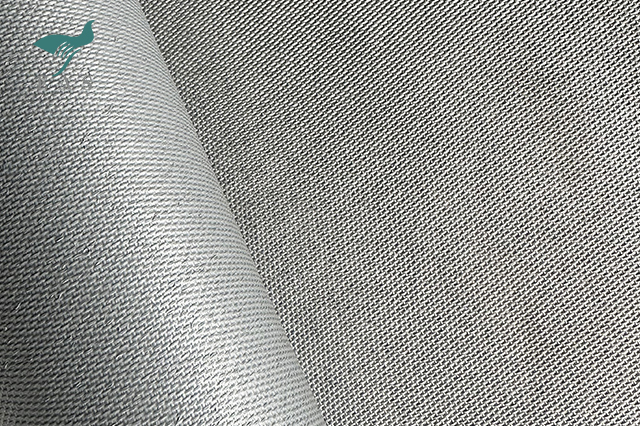
Silicone-coated fiberglass fabric is a high-performance composite material that combines the heat and flame resistance of fiberglass with the durability and flexibility of silicone rubber. This versatile fabric is prized for its strength, chemical resistance, and mechanical stability, making it ideal for use in extreme conditions, such as high-temperature environments, industrial manufacturing, and construction.
The fabric consists of a base of fiberglass cloth that is coated with silicone rubber. The silicone coating is applied to one or both sides of the fabric, enhancing its heat resistance, flexibility, and water resistance. The resulting composite provides exceptional insulation, mechanical strength, and chemical stability, allowing it to withstand challenging industrial environments.
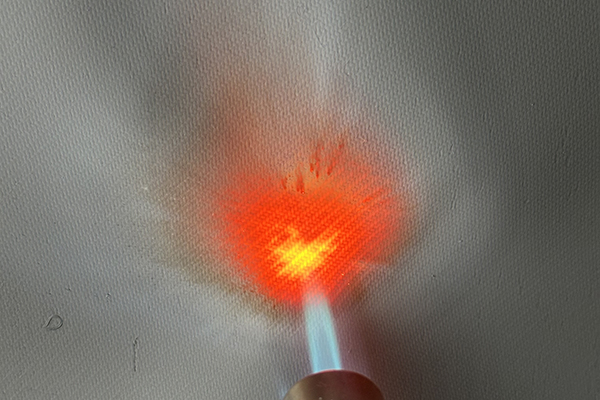
Silicone-coated fiberglass fabric is widely used in applications where flame and heat resistance are paramount. Some key uses include:
Conveyor Belts and Machinery Covers: Protects machinery in drying and curing systems from heat and wear.
Welding Curtains and Safety Shields: Shields workers from sparks, flames, and heat during welding and other high-temperature processes.
Gaskets, Linings, and Insulation: Provides reliable seals and insulation in high-temperature, high-pressure environments.
The production process begins with weaving fiberglass cloth, followed by surface treatment, silicone formulation, coating, curing, and inspection. The silicone is bonded to the fiberglass cloth during the coating process, ensuring that the fabric gains the desired heat resistance, flexibility, and durability. After curing, the fabric undergoes final inspection before being wound into rolls for distribution.
High Temperature Resistance: Fiberglass withstands up to 550°C, while the silicone coating resists up to 260°C, maintaining strength and preventing degradation.
Flame Retardant: Silicone is non-flammable, and fiberglass is non-combustible, making the fabric effective against fire and preventing flame spread.
Weather Resistance: Silicone’s UV and oxidation resistance ensures the fabric maintains its properties outdoors without aging or degrading.
Chemical Resistance: Silicone’s inert nature prevents reactions with acids, bases, and most solvents, while fiberglass further enhances durability in chemical environments.
Flexibility: The silicone coating allows the fabric to bend without breaking, while fiberglass provides structural support, making it load-bearing yet flexible.
Water Resistance: The silicone coating blocks moisture, offering protection against water ingress.
Abrasion Resistance: Silicone’s tough surface resists friction and wear, extending the fabric’s lifespan in high-movement environments.
Environmental Friendliness: Both silicone and fiberglass meet environmental standards and can be recycled, reducing environmental impact.
Easy to Cut and Process: The fabric resists fraying during processing while maintaining shape and performance.
Yes.
Fiberglass is naturally non-combustible and heat-resistant, making it ideal for high-temperature applications. The silicone coating not only retains these flame-resistant and heat-resistant properties but also enhances the fabric’s durability, ensuring it remains safe for prolonged use in extreme conditions.
Yes.
The silicone coating provides excellent waterproofing capabilities, making the fabric highly suitable for humid or rainy environments. Unlike untreated fiberglass, which may absorb moisture and lose its strength, the silicone coating keeps water out, preserving the fabric's strength and insulating properties.
Silicone-coated fiberglass fabric is widely used in various industries due to its durability and performance. However, there are some safety and handling precautions to keep in mind:
Protective Gear: Always wear gloves, goggles, and dust masks to prevent skin irritation, eye discomfort, and respiratory issues.
Ventilation: Ensure the work area is well-ventilated when cutting or processing the fabric to minimize dust inhalation risks.
Heat Resistance: While the fabric is heat-resistant, avoid direct contact with open flames to prevent potential decomposition of the material.
Storage: Store the fabric in a dry, cool place away from direct sunlight and moisture to maintain its performance and prevent degradation.
Waste Disposal: Follow local regulations for proper disposal to avoid environmental contamination.
Inspection: Regularly inspect the fabric for any signs of damage or wear to ensure continued safety and effectiveness during use.
Hazards Identification
While silicone-coated fiberglass fabric is generally safe, the fiberglass component can cause irritation if mishandled:
Skin Contact: May cause mild irritation.
Eye Contact: May cause discomfort and irritation.
Inhalation: Fibers may irritate the respiratory system if inhaled.
Ingestion: Although unlikely, ingestion may cause discomfort.
First Aid Measures
Skin Contact: Wash the affected area with soap and water. Seek medical attention if irritation persists.
Eye Contact: Rinse immediately with plenty of water for at least 15 minutes. Remove contact lenses if possible. Seek medical attention if irritation continues.
Inhalation: Move the person to fresh air. If breathing difficulties occur, seek medical attention immediately.
Ingestion: Rinse the mouth thoroughly with water. Do not induce vomiting unless directed by a medical professional. Seek medical attention if necessary.
Fiberglass cloth is available in a range of weights, each designed to suit specific applications based on factors like durability, flexibility, and insulation needs:
Lightweight Fabrics
Use: Primarily used in RC (remote control) projects, lightweight insulation, and other low-stress applications.
Characteristics: Thin and flexible, these fabrics are easy to work with but offer limited strength and durability compared to heavier options.
Medium-Weight Fabrics
Use: Ideal for general applications, such as sailboats, moderate insulation, and automotive repairs.
Characteristics: Balances strength and flexibility, providing a good mix of durability and ease of handling for moderate stress applications.
Heavy-Duty Fiberglass
Use: Designed for high-stress applications like boat building, heavy machinery, and industrial construction.
Characteristics: These fabrics are thicker, providing superior strength and durability. They are ideal for environments that require maximum resistance to impact, heat, and mechanical wear.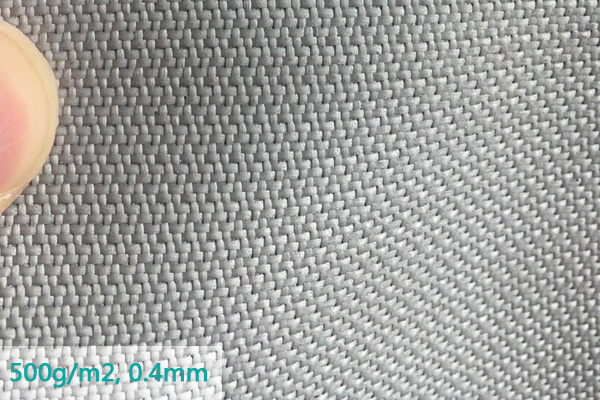
While PTFE-coated fabrics are highly durable and heat-resistant, silicone-coated fiberglass stands out for its superior flexibility and affordability, making it a preferred choice in many high-temperature applications. Silicone-coated fiberglass is ideal for applications requiring more flexibility and is often more cost-effective than PTFE-coated alternatives.
Standard fiberglass lacks the added benefits of the silicone coating, such as improved water resistance and flexibility. Silicone-coated fiberglass is far better suited for environments that require high moisture resistance or the ability to bend without cracking.
| Feature | Silicone-Coated Fiberglass | PTFE-Coated Fabrics | Standard Fiberglass |
|---|---|---|---|
| Heat Resistance | High (up to 300°C / 572°F, one side up to 550°C / 1022°F) | Very High (suitable for extreme temperatures) | Moderate (less suited for high-heat applications) |
| Water Resistance | Excellent, resists water and oils | Good, but less flexible | Limited, often needs additional treatment |
| Chemical Resistance | High, resists many chemicals | Very High, used in chemical-intensive applications | Limited |
| Flexibility | Highly flexible, ideal for moving parts | Moderately flexible | Rigid |
| Durability | High resistance to punctures and tears | Extremely durable, but often more costly | Moderate durability |
| Cost | Affordable for high-heat, high-stress needs | Generally higher due to specialized coating | Lower cost but less versatile |
| Best Use Cases | Conveyor belts, gaskets, high-humidity or oil-prone settings | Chemical processing, extreme heat insulation | Basic insulation, non-flexible high-strength needs |
Silicone-Coated Fiberglass is ideal for cost-effective applications requiring flexibility and water resistance, making it a versatile choice for industrial and high-heat environments.
PTFE-Coated Fabrics excel in extreme chemical resistance and high temperatures, but they come with a higher cost and moderate flexibility.
Standard Fiberglass is a low-cost option suitable for rigid applications, but lacks the enhanced moisture resistance and flexibility of silicone-coated fabrics.


