+86 574 8117 8830
High silica fabric is a critical high-temperature protection material widely used in industries such as welding, metallurgy, chemical processing, aerospace, fire protection, and industrial insulation. Due to its excellent heat resistance and thermal stability, genuine high silica fabric can provide reliable protection in extreme environments where temperatures exceed 1000°C.
However, with increasing market demand, some suppliers have started offering extremely low-priced products while claiming they are high silica fabric. In many cases, these products are actually medium silica fabric or ordinary fiberglass fabric sold under false descriptions. This type of material fraud not only affects purchasing decisions but may also create serious safety risks in high-temperature applications.
In industrial procurement, price is always an important consideration. However, high-temperature protection materials cannot be judged by price alone. The performance of silica fabric depends mainly on its raw materials, silica content, manufacturing process, and quality control.
Genuine high silica fabric requires advanced processing technology and high-purity raw materials. Its production cost is significantly higher than standard fiberglass fabrics. Therefore, when a supplier offers high silica fabric at a price far below the normal market range, buyers should carefully evaluate whether the product truly meets high silica requirements.
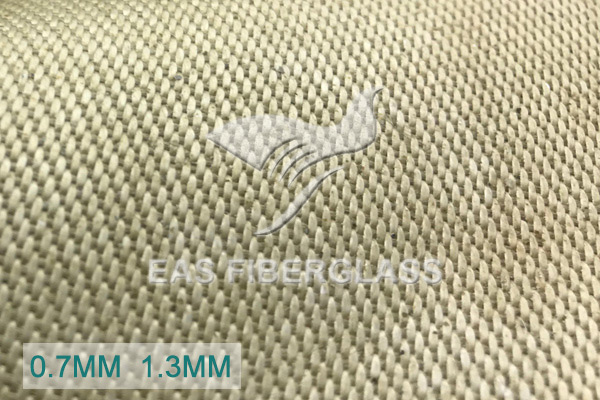
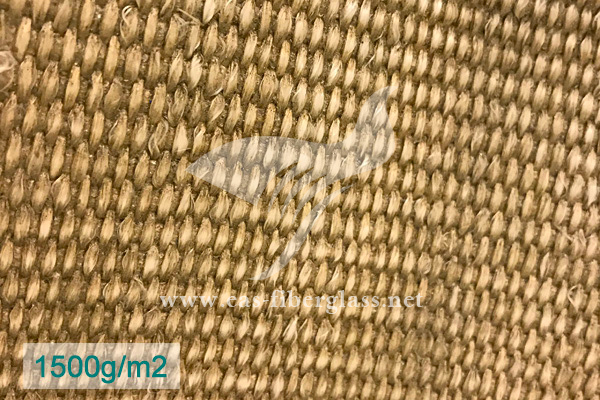
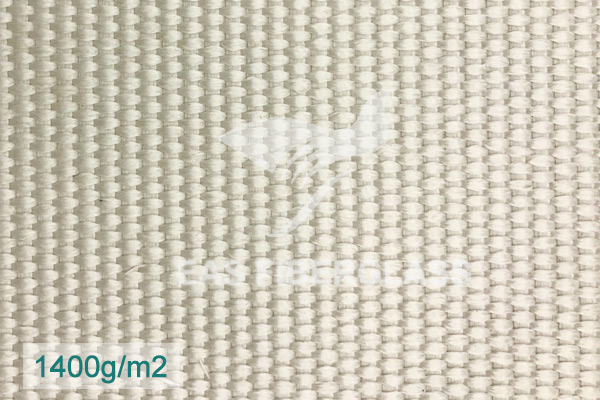
Many low-cost products appear similar in appearance but have completely different chemical compositions and temperature resistance. Without proper testing, it can be difficult to distinguish between genuine high silica fabric and lower-performance substitutes.
To avoid purchasing mistakes, buyers should understand the differences between high silica fabric, medium silica fabric, and E-glass fiberglass fabric.
High silica fabric is manufactured from glass fiber that undergoes a special acid treatment process to increase silica (SiO₂) content.
A qualified high silica fabric generally contains more than 96% SiO₂. This high silica composition provides excellent resistance to extreme temperatures, thermal shock, and chemical exposure.
Main advantages include:
Continuous working temperature resistance above 1000°C
Excellent thermal stability
Low thermal conductivity
Good chemical resistance
Strong dimensional stability at high temperatures
Because of these properties, high silica fabric is commonly used for:
Welding protection curtains
Removable insulation covers
Heat shields
Aerospace thermal protection systems
Industrial furnace insulation
Medium silica fabric contains significantly less silica than high silica fabric, usually around 60%–80%.
Although it provides better heat resistance than ordinary fiberglass, its performance is much lower than high silica fabric. Medium silica fabric is generally suitable for applications with moderate temperature requirements.
Typical limitations include:
Lower temperature resistance
Reduced long-term stability under extreme heat
Faster degradation in high-temperature environments
Using medium silica fabric instead of high silica fabric in critical protection applications may result in premature failure.
E-glass fiberglass fabric is one of the most common industrial fiberglass materials. It offers good mechanical strength, electrical insulation properties, and general heat resistance.
However, its silica content is much lower than high silica fabric, and it is not designed for extreme temperatures above 1000°C.
E-glass fabric is commonly used for:
General insulation
Filtration materials
Composite reinforcement
Medium-temperature applications
Using E-glass fabric as a replacement for high silica fabric in high-temperature protection products can create serious safety concerns.
The main reason behind high silica fabric fraud is cost difference.
High silica fabric requires more complex processing and higher-quality raw materials. Medium silica fabric and ordinary fiberglass fabric are much cheaper to produce.
Some suppliers take advantage of this price gap by:
Providing low-cost materials with similar appearance
Mislabeling fiberglass products as high silica fabric
Offering incomplete technical information
Avoiding detailed material testing reports
For buyers without professional material knowledge, these products may appear acceptable during initial inspection. However, performance differences become obvious when exposed to extreme heat.
High silica fabric is often used in applications where human safety and equipment protection are critical.
For example, welding blankets and heat protection covers must withstand:
Molten metal splash
Welding sparks
Continuous high-temperature exposure
Thermal shock
If a low-quality substitute is used, the protective material may:
Melt or shrink under high temperatures
Lose mechanical strength
Fail to block heat effectively
Increase the risk of fire or operator injury
In industries such as chemical plants, metal processing facilities, and power generation, material failure can lead to equipment damage, production losses, and serious workplace hazards.
Choosing the right supplier and verifying product information are essential steps before purchasing.
The most reliable method is laboratory testing of silica content.
A genuine high silica fabric should have a SiO₂ content above 96%. Buyers should request material test reports or certificates from suppliers before placing orders.
A practical test is exposing the fabric to high temperatures and observing its performance.
High silica fabric should maintain its structure and protective function under temperatures above 1000°C, while lower-grade materials may soften, deform, or fail.
Experienced manufacturers usually provide:
Detailed technical specifications
Material certificates
Temperature resistance data
Application recommendations
A reliable supplier focuses on long-term quality rather than competing only through extremely low prices.
In high-temperature protection applications, the lowest price is not always the most economical choice. A cheaper material that fails during operation can result in much higher costs due to equipment damage, replacement expenses, and safety risks.
When purchasing high silica fabric, buyers should focus on:
Silica content
Temperature resistance
Manufacturing quality
Test reports
Supplier reliability
A properly selected high silica fabric provides long-term protection, improves workplace safety, and ensures stable performance in demanding environments.
High silica fabric plays an essential role in modern industrial heat protection systems. However, the market has seen cases where low-cost materials are incorrectly marketed as genuine high silica fabric.
Understanding material differences, checking technical documentation, and selecting experienced suppliers are the best ways to avoid these risks.
When safety depends on high-temperature protection, quality should always come before price. Choosing genuine high silica fabric ensures reliable performance and protects both equipment and personnel in extreme working conditions.