+86 574 8117 8830
Diesel generators are widely used as reliable backup power sources in factories, hospitals, data centers, construction sites, marine applications, and remote locations. During operation, diesel engines generate a significant amount of heat, especially around exhaust manifolds, turbochargers, and exhaust piping. Without proper heat protection, high temperatures can create safety risks, reduce equipment efficiency, and damage nearby components.
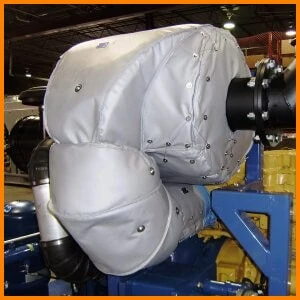
A diesel generator insulation cover is designed to control heat radiation, improve safety, and protect critical equipment. These removable insulation blankets are usually made from multiple layers of high-temperature fabrics and insulation materials, each serving a specific function.
A diesel engine converts fuel energy into mechanical power and then into electricity. During this process, combustion produces extreme temperatures that transfer heat to engine components and exhaust systems.
The exhaust manifold and turbocharger are typically the hottest areas of a generator. Exhaust surfaces can reach several hundred degrees Celsius, creating risks such as accidental burns, overheating in enclosed rooms, and damage to nearby electrical wiring or hoses.
Installing insulation covers provides several important benefits:
Hot exhaust components can cause serious injuries if operators accidentally touch exposed surfaces. Insulation blankets create a protective barrier that reduces surface temperatures and minimizes the risk of burns during maintenance.
In generator rooms or engine enclosures, uncontrolled heat radiation can increase ambient temperatures and place additional stress on cooling systems. Insulation covers help contain heat around the exhaust system and maintain a more stable operating environment.
High temperatures can accelerate the aging of cables, sensors, rubber hoses, and other sensitive parts. Proper insulation reduces heat exposure and helps extend the service life of surrounding equipment.
Many insulation materials also provide sound absorption properties. By covering exhaust components and reducing vibration transmission, insulation systems can help lower generator noise levels.
A typical diesel generator insulation cover consists of three main layers:
Outer protective layer
Thermal insulation layer
Inner high-temperature layer
Each layer uses different materials to achieve heat resistance, durability, and flexibility.
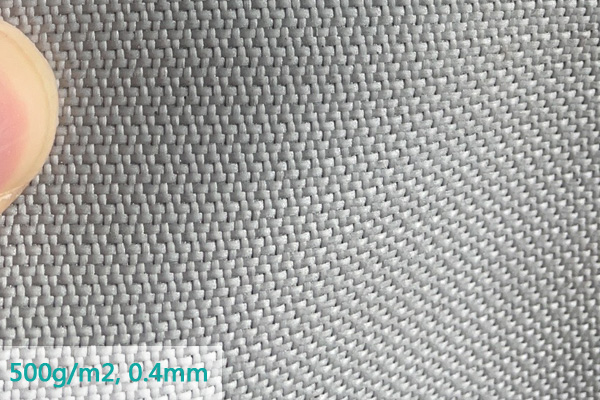
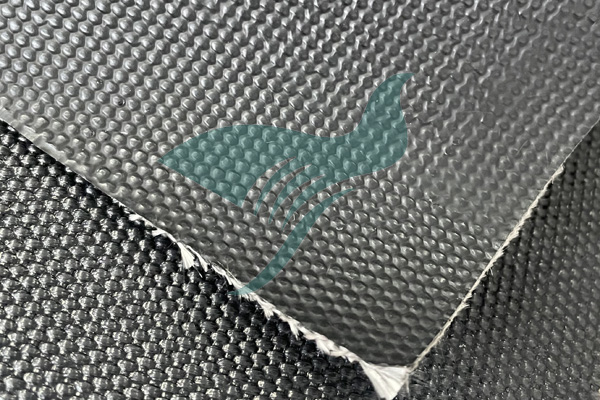
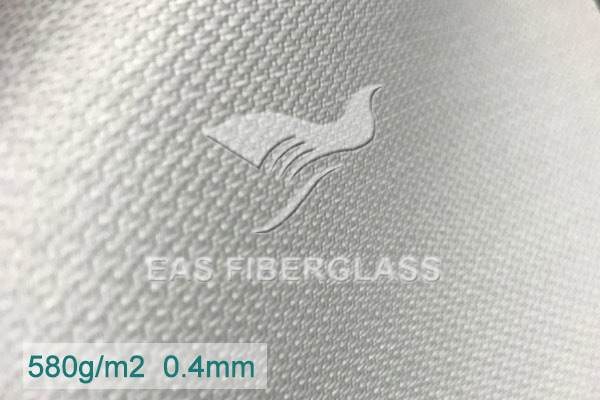
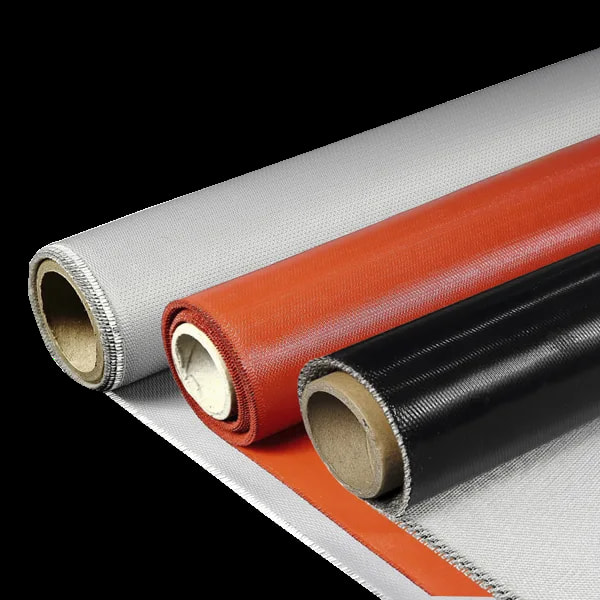
Silicone coated fiberglass fabric is one of the most common materials used for the outer layer of generator insulation covers.
Fiberglass provides excellent temperature resistance, while the silicone coating improves flexibility, abrasion resistance, waterproof performance, and protection against oil and chemicals.
Advantages include:
High heat resistance
Excellent mechanical strength
Flame resistance
Good weather durability
Resistance to moisture and chemicals
This material is suitable for generator applications where insulation covers need to withstand outdoor environments and frequent handling.
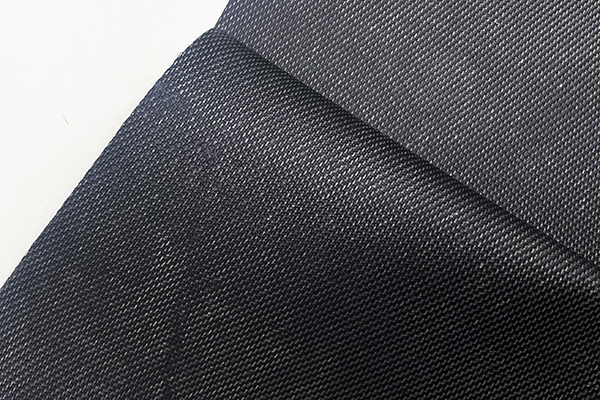
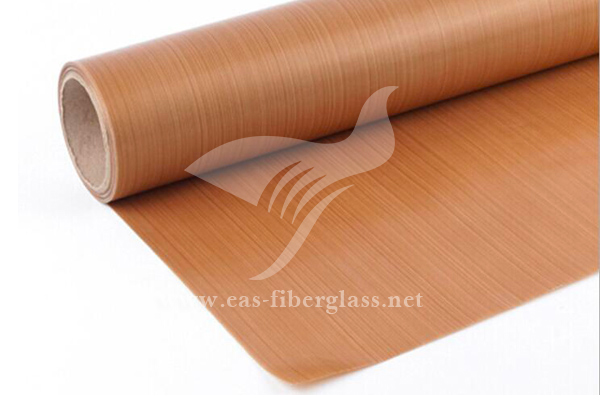
PTFE (Polytetrafluoroethylene) coated fiberglass fabric is another high-performance outer layer material.
Compared with standard fiberglass fabrics, PTFE coatings provide better resistance against chemicals, oil, moisture, and extreme environments. They also offer a smooth surface that is easier to clean.
PTFE fiberglass fabric is often selected for industrial environments where insulation covers may be exposed to aggressive chemicals or harsh operating conditions.
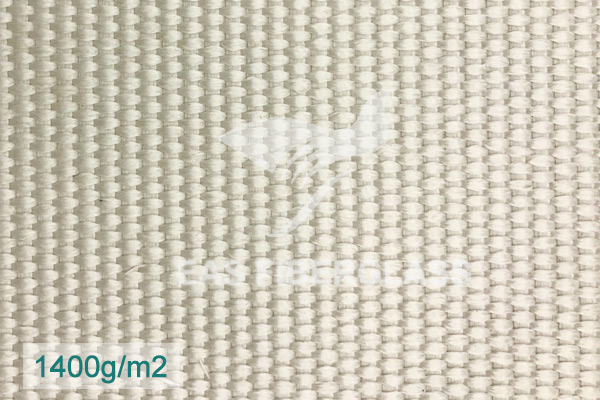
The insulation core is usually made from fiberglass needle mat or fiberglass felt.
Fiberglass insulation materials are lightweight, non-combustible, and provide excellent thermal insulation. They help reduce heat transfer from exhaust components to the surrounding environment.
Key advantages:
Good thermal insulation performance
Lightweight structure
Corrosion resistance
Sound absorption capability
Cost-effective solution
Fiberglass needle mats are commonly used for medium-temperature generator applications.
For higher-temperature applications, silica materials are often selected.
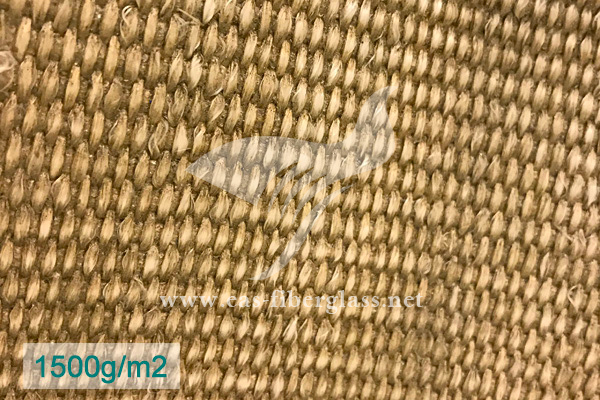
Silica fabric can withstand extremely high temperatures and offers excellent thermal stability. It is commonly used in areas exposed to direct heat, such as exhaust manifolds, turbochargers, and high-temperature piping.
Benefits include:
Excellent heat resistance
Low thermal conductivity
Chemical stability
Long service life
Silica insulation materials are ideal for demanding industrial applications where standard fiberglass may not provide sufficient protection.
Ceramic fiber is one of the highest-performance insulation materials available for generator insulation covers.
It provides outstanding temperature resistance and low thermal conductivity, making it suitable for extreme heat applications.
Advantages include:
Resistance to temperatures above 1000°C
Lightweight design
Excellent thermal insulation
Low heat storage
Ceramic fiber blankets are commonly used for heavy-duty industrial equipment and high-temperature exhaust systems.
The inner layer of an insulation cover faces direct heat exposure and mechanical stress. Stainless steel wire reinforced fiberglass fabric is often used in this area to improve durability.
The stainless steel reinforcement helps prevent tearing, abrasion, and damage caused by vibration from engine operation.
This material is especially useful for exhaust pipes, turbochargers, and areas requiring frequent maintenance.
Diesel generator insulation covers are commonly applied to:
Exhaust manifolds
Turbochargers
Exhaust pipes
Flexible exhaust connectors
Mufflers and silencers
Exhaust flanges and elbows
The covers are usually manufactured as removable sections with straps, buckles, or fasteners. This design allows easy installation and removal during equipment inspection and maintenance.
Selecting the correct insulation material depends on several factors:
The first consideration is the maximum temperature of the equipment. High-temperature areas such as exhaust manifolds require silica or ceramic fiber materials, while lower-temperature areas may use fiberglass-based solutions.
Outdoor generators may require waterproof and weather-resistant materials, while chemical plants or marine environments may need fabrics with stronger chemical resistance.
Removable insulation covers should be flexible, durable, and easy to reinstall after maintenance.
In compact generator rooms, high-performance insulation materials such as silica felt or aerogel can provide better insulation with thinner thicknesses.
Diesel generator insulation covers play an important role in improving safety, controlling heat, reducing noise, and extending equipment life. A high-quality insulation system usually combines multiple materials, including silicone coated fiberglass fabric, PTFE fiberglass fabric, fiberglass needle mat, silica fabric, ceramic fiber blanket, and reinforced fiberglass textiles.
Choosing the correct combination of materials depends on temperature requirements, operating environment, and maintenance needs. With the right insulation solution, diesel generators can operate more safely and efficiently even under demanding industrial conditions.