+86 574 8117 8830
High-temperature fabrics are specialized industrial textiles designed to withstand elevated temperatures while providing thermal protection, mechanical strength and flexibility. They are widely used in industrial insulation, welding protection, furnace curtains, removable insulation blankets, expansion joints, exhaust systems and other demanding environments.
Different applications require different fabric constructions. Standard fiberglass fabric offers a practical balance of heat resistance, strength and cost, while high-silica and ceramic fiber fabrics are designed for more demanding temperature conditions. Basalt fiber provides another option where thermal stability and mechanical performance are important.
In addition to the base material, fabric weight, yarn construction, weave, thickness and surface treatment all influence the final product's performance.
This guide introduces the main types of high-temperature fabrics, explains the differences between common fiberglass constructions and coatings, and provides a detailed reference to 50 fiberglass fabric specifications for coating, insulation, filtration and reinforcement applications.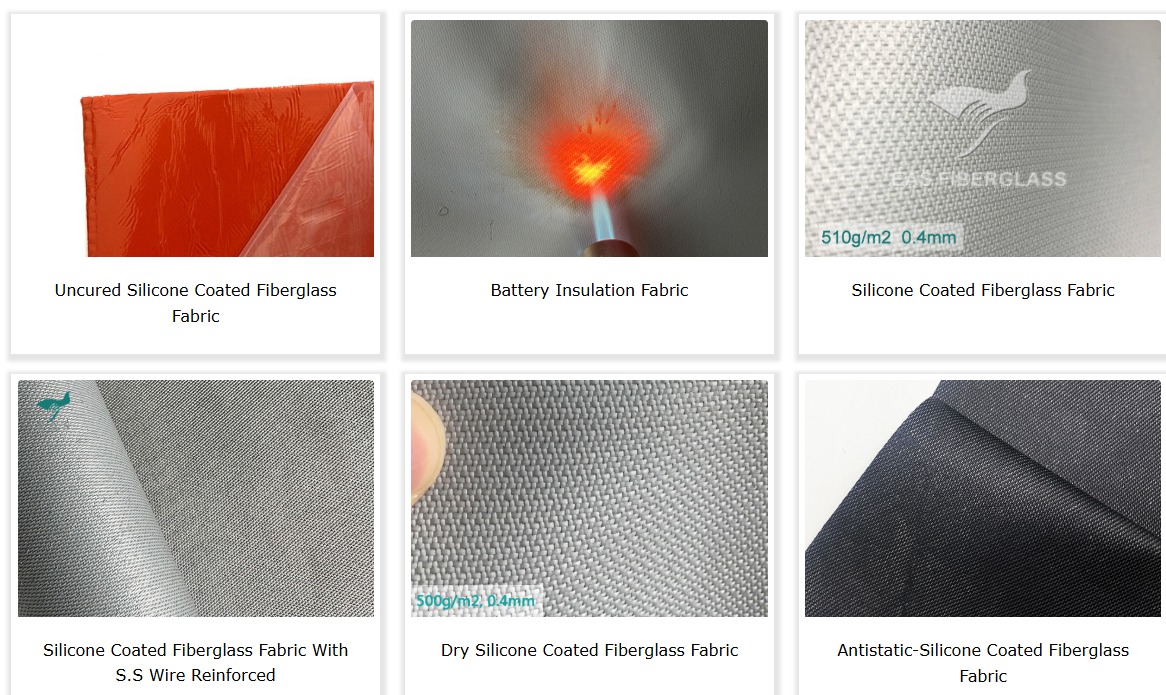
High-temperature fabric is an industrial textile manufactured from heat-resistant fibers. It is designed to maintain its useful physical and mechanical properties under elevated-temperature conditions.
Unlike ordinary fabrics, high-temperature textiles are selected according to their thermal stability, dimensional strength, flexibility, chemical resistance and intended operating environment.
Common base materials include:
Basalt fiber fabric
These materials are available in different woven constructions and can be further processed through coating, lamination, heat treatment or reinforcement.
Depending on the application, finished high-temperature fabrics can provide:
Thermal insulation and heat containment
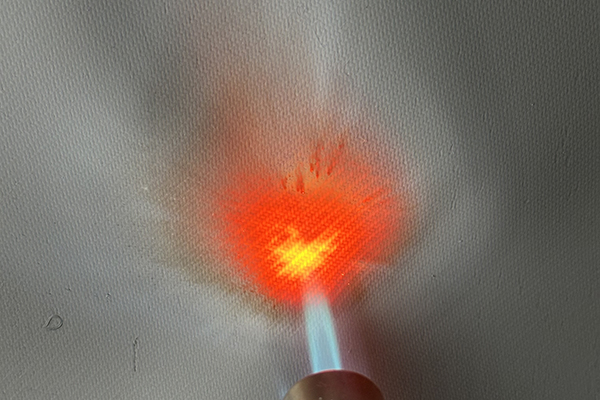
Resistance to sparks and welding spatter
Radiant heat reflection
Electrical insulation
Chemical and moisture resistance
Mechanical reinforcement
Flexible protection for industrial equipment
It is important to distinguish between heat resistance and thermal insulation. A fabric may withstand high temperatures without providing significant insulation by itself. The actual thermal performance depends on its thickness, structure, trapped air, additional insulation layers and installation conditions.
Selecting the right fabric starts with the base fiber. Different materials offer different combinations of temperature resistance, flexibility, strength and cost.
<escape>Fiberglass fabric</escape> is one of the most widely used materials for industrial thermal protection. It is woven from continuous glass fiber yarns and offers good tensile strength, dimensional stability and electrical insulation.
Its balance of performance and cost makes it suitable for:
Industrial insulation blankets
Welding blankets and curtains
Pipe and equipment insulation
Expansion joints
Removable insulation jackets
Heat shields and protective covers
Coating and composite reinforcement
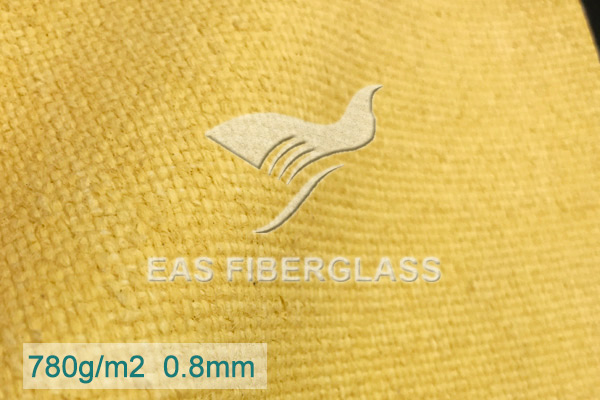
Fiberglass fabric is available in different weights, thicknesses and weave patterns. Texturized fiberglass fabric is particularly useful when a thicker, bulkier structure is required for insulation applications.
For higher-temperature applications, special glass compositions and treated fabrics may be considered. The actual continuous service temperature must always be confirmed for the specific product.
High-silica fabric is manufactured from high-purity silica fibers and is selected for applications requiring greater temperature resistance than standard fiberglass fabrics can generally provide.
Typical applications include:
Furnace and foundry protection
High-temperature insulation
Welding blankets
Fire barriers
Exhaust system protection
Industrial thermal curtains
High-silica fabrics are available in different silica contents and woven structures. For example, 96% silica fabric is used in demanding high-temperature applications.
Aluminum-coated high-silica fabric can also be considered when both high-temperature resistance and radiant heat reflection are required.
Ceramic fiber fabric is designed for demanding high-temperature insulation and thermal protection applications.
It is commonly used in:
Industrial furnaces and kilns
High-temperature insulation systems
Thermal barriers
Furnace curtains
Equipment protection
Ceramic fiber textiles are available in different constructions, including reinforced products. Some versions incorporate metallic wire reinforcement to improve handling and mechanical stability.
The appropriate grade depends on the operating temperature, exposure duration, atmosphere and mechanical requirements.
Basalt fiber fabric is produced from continuous fibers made from natural basalt rock.
It offers a combination of thermal stability, mechanical strength and resistance to environmental exposure. Depending on the product specification, basalt fabric can be used in:
Industrial thermal insulation
Automotive heat protection
Exhaust systems
Fire barriers
Composite reinforcement
Construction and infrastructure applications
Basalt fabric is an alternative to consider when both thermal and mechanical properties are important. Its suitability should be evaluated against the actual operating conditions and required service life.
| Material | Main characteristics | Typical applications |
|---|---|---|
| Fiberglass | Good strength, flexibility and cost performance | Insulation, welding blankets, expansion joints |
| High-silica | Higher temperature capability than standard fiberglass | Furnaces, foundries, extreme heat protection |
| Ceramic fiber | Designed for demanding high-temperature insulation | Kilns, furnaces, thermal barriers |
| Basalt fiber | Thermal stability and mechanical strength | Exhaust protection, industrial insulation, composites |
There is no single best high-temperature fabric for every application. The correct material depends on continuous temperature, peak temperature, heat exposure type, mechanical stress and environmental conditions.
A fabric's performance is determined by more than its base fiber. Engineers and purchasing teams should evaluate the complete construction before selecting a product.
Temperature resistance is one of the first parameters to consider.
However, three different temperature conditions should be distinguished:
Continuous service temperature: The temperature the material can withstand during normal, sustained operation.
Short-term exposure temperature: The maximum temperature it can tolerate for limited periods.
Finished-product temperature rating: The practical service limit of the complete fabric, including coatings, adhesives, laminations and reinforcement.
For coated fiberglass fabrics, the coating may determine the maximum continuous service temperature even when the underlying glass fiber can withstand substantially higher temperatures.
Always request technical data for the finished product rather than relying only on the base fiber's temperature rating.
Fabric weight, expressed in grams per square meter (g/m²), is an important specification for comparing different constructions.
Typical weight ranges include:
| Fabric construction | Approximate weight range |
|---|---|
| Lightweight fiberglass base cloth | 210–500 g/m² |
| Medium and heavy fiberglass cloth | 500–1,200 g/m² |
| Heavy-duty fiberglass fabric | 1,200–2,100 g/m² |
| Texturized fiberglass fabric | 600–2,200 g/m² |
Heavier fabrics are generally thicker or use more yarn material, but GSM alone does not determine thermal performance. Yarn construction, weave, density and thickness must also be considered.
Thickness influences flexibility, insulation design, mechanical strength and fabrication.
A thicker fabric may be more suitable for heavy-duty thermal barriers, while a thinner construction may be preferred for coating, lamination or applications requiring flexibility.
For repeat OEM orders, thickness should be specified together with weight and weave.
The weave determines how warp and weft yarns interlace. Different structures provide different combinations of flexibility, surface appearance, dimensional stability and mechanical properties.
Common weave types include:
Plain weave
Twill weave
Broken twill
Satin weave
Basket weave
Double-weft construction
Weft-rib construction
The choice depends on the intended application and subsequent processing requirements.
Warp yarn runs along the length of the fabric, while weft yarn runs across its width.
Warp and weft density indicate how closely the yarns are arranged. These parameters influence fabric weight, surface structure, flexibility, mechanical properties and suitability for coating.
Two fabrics with similar GSM may perform differently because their yarn specifications and weave structures are not identical.
Depending on the fiber and surface treatment, high-temperature fabrics may be exposed to:
Oils and lubricants
Acids and alkalis
Water and moisture
Industrial dust
UV exposure
Abrasion and repeated movement
For example, glass fiber resists many chemicals but is vulnerable to certain aggressive substances, including hydrofluoric acid. A suitable coating may improve resistance to specific environmental conditions, but compatibility must be confirmed for the actual chemical and exposure temperature.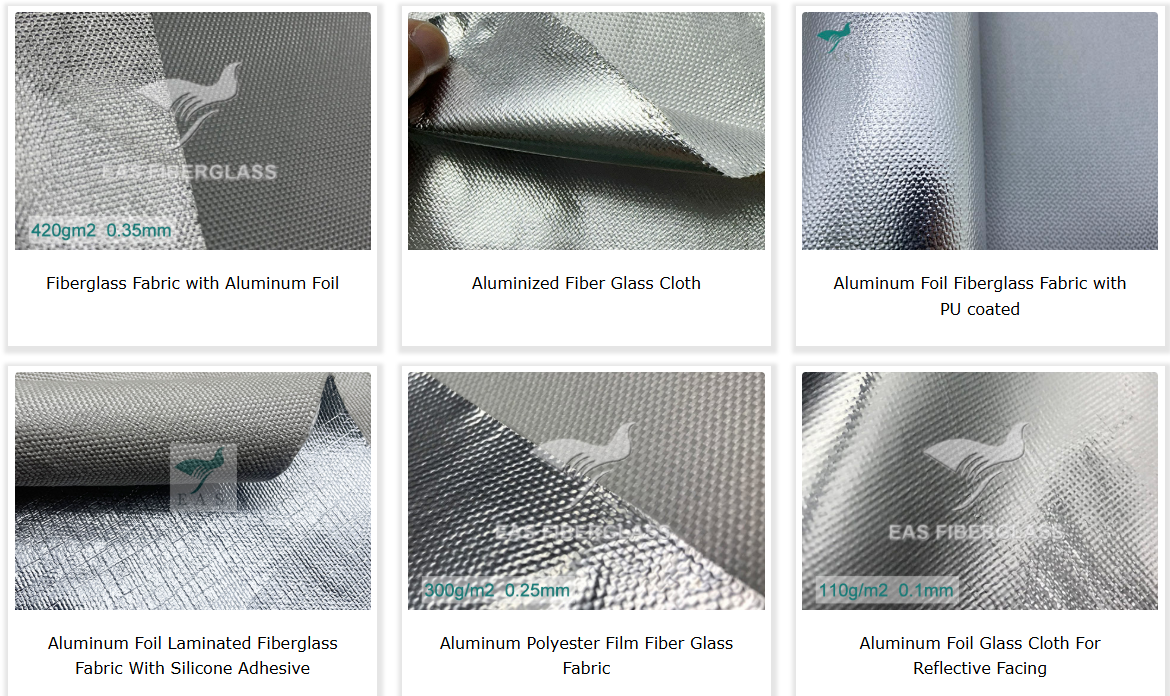
Many industrial applications require more than the heat resistance of the base fabric. Surface coatings and laminations can improve moisture resistance, abrasion performance, chemical resistance, surface stability or radiant heat reflection.
The correct treatment depends on the operating environment.
Uncoated fiberglass fabric is suitable for many dry-heat applications where the base textile's thermal and mechanical properties are sufficient.
Common uses include:
Pipe insulation
Industrial blankets
Welding curtains
Gaskets
Thermal barriers
It is often used as a base fabric for additional coatings and laminations.
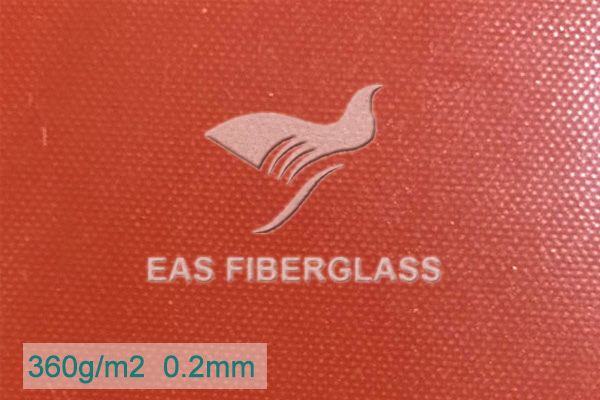
Silicone-coated fiberglass fabric combines a woven fiberglass substrate with a silicone rubber coating on one or both sides.
Its main advantages include:
Improved moisture resistance
Flexible surface protection
Good weather resistance
Improved abrasion resistance
Resistance to many oils and environmental contaminants, subject to formulation
Typical applications include removable insulation jackets, valve covers, flange covers, expansion joints and flexible connectors.
The continuous service temperature of the finished product is generally limited by the silicone coating. A coating rated for approximately 260°C, for example, should not be assumed to withstand the higher temperature capability of the underlying fiberglass substrate.
Vermiculite treatment creates a protective mineral-based surface on fiberglass fabric.
It can improve:
Surface durability
Resistance to fiber fraying
Resistance to sparks and hot particles
Performance in certain welding and molten-metal splash applications
It is commonly used for welding blankets, fire curtains and industrial thermal barriers.
Its suitability for molten-metal splash depends on the metal type, temperature, exposure intensity and product construction.
PTFE-coated fiberglass fabric combines the dimensional stability of fiberglass with the non-stick and chemical-resistant characteristics of PTFE.
Typical applications include:
Industrial heat shields
Chemical-resistant barriers
Non-stick processing surfaces
Flexible connectors
Specialized insulation components
PTFE coating can be useful where contamination, chemical exposure or surface release properties are important.
The coating's temperature limit must be checked separately from the fiberglass substrate.
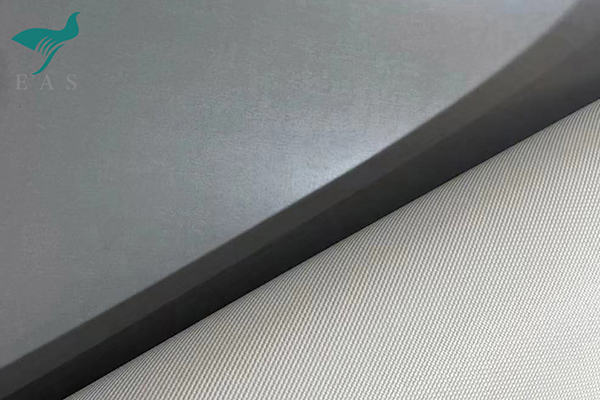
Aluminum foil laminated and aluminized fiberglass fabrics are designed primarily for radiant heat reflection.
The reflective surface should normally face the radiant heat source. An appropriate air gap can improve radiant heat protection by reducing direct conductive heat transfer.
These fabrics are used in:
Radiant heat shields
Automotive and engine heat barriers
Exhaust protection
Industrial thermal curtains
Protective covers
Aluminum foil laminated fabric and aluminized fabric are not necessarily the same construction. Their surface treatment, bonding system and temperature limitations should be confirmed with the manufacturer.
Graphite-coated fiberglass fabric is used in selected applications requiring enhanced surface properties, including abrasion resistance and high-temperature performance.
It may be considered for welding protection, thermal barriers and industrial insulation components. The exact continuous and short-term temperature ratings depend on the coating formulation and fabric construction.
| Fabric type | Main benefit | Typical applications |
|---|---|---|
| Uncoated fiberglass | Basic thermal and mechanical performance | Pipe wraps, insulation, gaskets |
| Silicone coated | Moisture resistance and flexibility | Removable covers, expansion joints |
| Vermiculite coated | Improved surface stability and hot-particle resistance | Welding blankets, fire curtains |
| PTFE coated | Non-stick and chemical resistance | Heat shields, chemical barriers |
| Aluminum foil laminated | Radiant heat reflection | Thermal barriers, exhaust protection |
| Graphite coated | Specialized surface and abrasion properties | Welding and industrial heat protection |
The values shown in product literature should always be checked against the exact finished construction. A coating can have a substantially lower temperature limit than the base fabric.
Fiberglass fabric is available in many different yarn constructions, weights and weave patterns. BSTFLEX's current specification program includes 50 constructions across four product families:
| Product family | Number of styles | Nominal weight range | Main applications |
|---|---|---|---|
| Fiberglass coating base fabric | 16 | 210–2,100 g/m² | Coating, lamination and thermal fabrication |
| Texturized fiberglass fabric | 11 | 600–2,200 g/m² | Insulation, blankets and thermal barriers |
| Fiberglass filter fabric | 12 | 330–850 g/m² | Industrial filtration |
| Wire reinforced fiberglass fabric | 11 | 450–1,700 g/m² | Reinforced insulation and thermal assemblies |
| Total | 50 | 210–2,200 g/m² | Industrial fiberglass textile supply |
The following tables provide a reference for comparing the available constructions.
Fiberglass coating base fabrics are used as substrates for silicone, PTFE, vermiculite, aluminum foil and other surface treatments.
The range includes widely recognized commercial styles such as 3732, 3784, 3786 and 3788.
| Style / Model | Warp yarn | Weft yarn | Warp density | Weft density | Weight (g/m²) | Weave |
|---|---|---|---|---|---|---|
| EW210 | EC7-45×1×3 | EC7-45×1×3 | 7.5 | 7.5 | 210 | Plain |
| EW3732 | EC9-68×1×2 | EC9-68×1×2 | 18 | 13 | 430 | Broken Twill |
| EW3732B | EC9-68×1×2 | EC9-136×1 | 18 | 13 | 430 | Broken Twill |
| EW666A | EC9-68×1×2 | EC9-136×1×2 | 20 | 13 | 660 | Satin |
| EW3784 | EC9-136×1×2 | EC9-136×1×2 | 18 | 13 | 860 | Satin |
| EW3784B | EC13-270×1 | EC14-330 | 18 | 10.5 | 840 | Satin |
| EW3784C | EC13-136×1×2 | EC13-136×1×2 | 18 | 13 | 840 | Satin |
| 3786C | EC11-136×1×2 | EDR14-330×1×2 | 19 | 10 | 1,200 | Satin |
| 3786D | EDR13-200×1×2 | EDR13-270×1×2 | 17.2 | 9 | 1,200 | Satin |
| 3788A | EDR13-270×1 | EDR14-330×1×2 | 18 | 11 | 1,700 | Satin |
| 3788B | EDR13-270×1 | EDR13-270×1 | 18 | 11 | 1,550 | Satin |
| EW930A | EC13-270×1×2 | EC13-270×1×2 | 12.4 | 4.6 | 930 | Plain |
| EW1050C | EC13-270×1 | EC15-550 | 18.8 | 9.8 | 1,050 | Satin |
| EW1200 | EC13-270×1×2 | EC14-400×1×2 | 14.5 | 4.3 | 1,200 | Plain |
| EW1400 | EC13-270×1×2 | EC13-270×1×2 | 16 | 9 | 1,400 | Satin |
| EW2100 | EC14-330×1×2 | EC13-270×1×3 | 19.6 | 8 | 2,100 | Satin |
Why are 3732, 3784, 3786 and 3788 important?
These are familiar commercial style references in the fiberglass textile industry. They are useful starting points when comparing base fabrics for coating, insulation and industrial fabrication.
However, a style number alone is not a complete specification. Different manufacturers may offer variations in yarn construction, nominal weight, thickness, width and weave.
For repeat purchasing, confirm the actual technical parameters rather than relying only on the commercial style number.
Texturized fiberglass fabric is manufactured using bulked or texturized yarns to create a fuller, thicker woven structure.
The bulkier construction can trap more still air than a tightly woven fabric of similar weight, making it useful for insulation-oriented applications.
Typical uses include:
Removable insulation blankets
Industrial thermal covers
Furnace curtains
Welding protection
Expansion-joint insulation
Equipment insulation systems
| Style / Model | Warp yarn | Weft yarn | Warp density | Weft density | Weight (g/m²) | Weave |
|---|---|---|---|---|---|---|
| 2025 | ET9-F-430 | ET9-F-430 | 8 | 6 | 600 | Plain |
| 2626 | ET9-F-430 | ET9-F-430 | 12 | 9 | 950 | Broken Twill |
| 2125 | ET9-F-430 | ET9-F-580 | 8 | 5 | 650 | Plain |
| M24 | ET9-F-860 | ET9-F-860 | 6 | 3.8 | 816 | Plain |
| M30 | ET9-F-860 | ET9-F-1290 | 6 | 3.8 | 1,020 | Plain |
| M30B | ET9-F-1290 | ET9-F-1290 | 5 | 3 | 1,000 | Plain |
| M30C | ET9-F-860 | ET9-F-1000 | 6 | 4.3 | 950 | Plain |
| M35A | ET9-F-1290 | ET9-F-1290 | 6 | 3.8 | 1,190 | Plain |
| M44 | ET9-F-860 | ET9-F-860 | 12 | 5 | 1,500 | Basket |
| M52 | ET9-F-860 | ET9-F-1290 | 12 | 5 | 1,780 | Basket |
| M64 | ET9-F-1290 | ET9-F-1290 | 12 | 5 | 2,200 | Basket |
The available constructions range from 600 to 2,200 g/m², providing options for different thickness, bulk and insulation requirements.
A heavier fabric may provide more material per unit area, but the final insulation performance also depends on thickness, weave, installation and additional insulation layers.
Fiberglass filter fabrics are designed for industrial filtration and specialized woven applications.
Their performance depends on the yarn structure, weave, fabric density, filtration requirements and operating environment.
| Style / Model | Warp yarn | Weft yarn | Warp density | Weft density | Weight (g/m²) | Weave |
|---|---|---|---|---|---|---|
| EW430B | EC9-68×1×2 | EC9-68×1×2 | 18 | 13 | 430 | 1/3 Twill |
| EW500B | EC9-75×1×2 | EC9-75×1×2 | 20 | 12 | 500 | 1/3 Twill |
| EW600 | EC9-75×1×2 | EC9-75×1×2 | 20 | 20 | 600 | Double Weft |
| EWT350 | EC7-45×1×2 | EC7-140 | 18 | 12 | 330 | 1/3 Twill |
| EWT450 | EC6-68×1×2 | EC6-TW4-210 | 18 | 10 | 450 | 1/3 Twill |
| EWT500A | EC6-68×1×2 | EC6-TW4-210 | 18 | 11 | 500 | 1/3 Twill |
| EWT500B | EC9-68×1×2 | EC9-TW4-210 | 18 | 11 | 500 | 1/3 Twill |
| EWT700B1 | EC9-68×1×2 | ET9-TW4-280 | 18 | 15 | 700 | Double Weft |
| EWT750A | EC6-68×1×2 | ET6-TW4-280 | 18 | 16 | 730 | Double Weft |
| EWT750B1 | EC9-68×1×2 | EC9-TW4-280 | 18 | 17 | 750 | Double Weft |
| EWT800B1 | EC9-68×1×2 | EC9-TW4-280 | 20 | 18 | 800 | Double Weft |
| EWT850B1 | EC9-68×1×2 | EC9-TW4-350 | 20 | 16 | 850 | Double Weft |
The nominal weight range is approximately 330–850 g/m².
For filtration applications, buyers should also specify operating temperature, gas composition, dust characteristics, filtration requirements and any surface treatment. GSM and weave alone cannot determine filtration efficiency.
Wire reinforced fiberglass fabric incorporates metallic reinforcement into the textile structure to improve mechanical support and dimensional stability.
It is suitable for applications where the fabric needs to maintain its shape or withstand additional mechanical stress.
Typical applications include:
Industrial insulation systems
Removable insulation blankets
Expansion joints
High-temperature equipment covers
Reinforced thermal barriers
Industrial sealing and protection components
| Style / Model | Warp yarn | Weft yarn | Warp density | Weft density | Weight (g/m²) | Weave |
|---|---|---|---|---|---|---|
| M24G | ET9-F-625G | ET9-F-625G | 8 | 5 | 816 | Plain |
| M30G | ET9-F-625G | ET9-F-625G | 9 | 7 | 1,020 | Weft Rib |
| M35G | ET9-F-625G | ET9-F-625G | 12 | 7 | 1,190 | Basket |
| EW450G | EC9-68×2+G | EC9-68×2+G | 12 | 11 | 450 | Twill |
| EW480G | EC9-68×3+G | EC9-68×3+G | 12 | 8 | 480 | Twill |
| EW666G | EC6-68×2+G | EC6-68×2+G | 18 | 13 | 630 | Satin |
| EW750G | EC6-68×2+G | EC6-68×2+G | 18 | 13 | 750 | Satin |
| EW1200G | EC13-272×2 | EC14-330×2 | 14 | 4.5 | 1,200 | Plain |
| CW1150G | CC13-136×4+G | CC13-136×4+G | 14 | 4.5 | 1,150 | Plain |
| EW1200DG | EC13-272×2 | EC14-330×2 | 15 | 4.5 | 1,200 | Plain |
| 3788DG | CC13-136×1×4 | CC13-136×4+G | 19 | 10 | 1,700 | Satin |
The available nominal weight range is approximately 450–1,700 g/m².
The exact reinforcement material, wire diameter, placement and construction should be confirmed when selecting a fabric for a specific mechanical application.
Choosing a suitable fabric requires matching the material specification to the actual operating environment.
Determine both the normal operating temperature and the maximum short-term exposure temperature.
Also consider the temperature at the fabric surface rather than relying only on the temperature of the surrounding equipment.
For coated fabrics, verify the continuous temperature limit of the complete product, including the coating and bonding system.
Different heat sources require different material solutions.
| Heat exposure | Main requirement | Suitable options to evaluate |
|---|---|---|
| Radiant heat | Reflect radiant energy | Aluminum foil or aluminized fabric |
| General industrial heat | Thermal and mechanical stability | Fiberglass fabric |
| Higher-temperature exposure | Greater thermal stability | High-silica or suitable ceramic fabric |
| Welding sparks and hot particles | Surface durability and spatter resistance | Vermiculite-coated fiberglass or high-silica fabric |
| Hot exhaust systems | Flexible heat protection | Fiberglass, silica or coated constructions |
| Mechanical stress with heat | Reinforced textile structure | Wire reinforced fiberglass fabric |
A material suitable for radiant heat protection may not be suitable for direct flame contact or molten-metal exposure. Always assess the actual exposure conditions.
Consider whether the fabric needs to be:
Flexible enough to wrap around pipes or equipment
Strong enough for repeated handling
Suitable for cutting and sewing
Resistant to abrasion
Stable under vibration
Reinforced for additional mechanical support
Texturized and wire reinforced constructions can be useful where a standard lightweight woven fabric is insufficient.
Choose GSM, thickness and weave according to the required insulation construction and fabrication method.
Do not select a fabric based on weight alone. Review the yarn specification, warp and weft density and weave pattern.
Consider whether the application requires silicone, PTFE, vermiculite, aluminum foil, graphite or another treatment.
The coating should match the chemical, moisture, abrasion and temperature conditions of the application.
Before ordering, confirm:
Fabric weight and thickness
Usable width
Yarn and weave construction
Temperature ratings
Coating or treatment specification
Tensile strength and other required mechanical properties
Relevant fire or chemical compliance requirements
Request a technical data sheet and, where necessary, test reports or samples for evaluation.
Fiberglass and texturized fiberglass fabrics are widely used in insulation systems for pipes, tanks, valves, flanges and industrial equipment.
They can be fabricated into removable insulation jackets that allow equipment to be accessed during inspection and maintenance.
Welding operations generate sparks, hot particles and radiant heat.
Fiberglass, vermiculite-coated fiberglass and high-silica fabrics can be used to manufacture welding blankets and curtains, depending on the exposure conditions.
For heavy spatter or molten-metal applications, verify the fabric's specific resistance and suitability before use.
Furnaces and foundries produce intense heat that can affect surrounding equipment and working areas.
High-silica, ceramic and specially treated fiberglass fabrics can be considered for thermal curtains, protective covers and selected insulation systems.
High-temperature fabrics are used in fabric expansion joints and flexible connectors in industrial ducting and exhaust systems.
The material must be selected according to temperature, pressure, movement, chemical exposure and the required service life.
Multilayer constructions may be used, with different layers serving as thermal barriers, gas barriers or mechanical reinforcement.
Engine compartments, exhaust manifolds and other hot components can generate substantial radiant and conducted heat.
Fiberglass, silica and aluminized fabrics can be incorporated into heat shields, protective covers and thermal barriers to help protect nearby components.
Fiberglass is naturally electrically insulating and can be used in certain applications requiring both thermal and electrical protection.
The suitability of the complete finished product should be confirmed according to operating voltage, temperature, moisture and other electrical requirements.
Specialized fiberglass filter fabrics are used in selected industrial filtration applications.
Their performance depends on the filtration medium, weave, gas temperature, chemical composition and operating conditions.
A filter fabric should be selected according to the actual filtration requirements rather than its heat resistance alone.
Fiberglass fabric is also widely used as reinforcement in composite manufacturing.
Its woven structure provides mechanical reinforcement in resin-based products, including industrial panels, laminates and molded components.
For these applications, yarn structure, surface treatment, resin compatibility and fabric weight are important selection factors.
High-temperature fabric is often purchased according to a specific industrial application rather than as a generic textile product.
A manufacturer with weaving, coating and converting capabilities can help match the base fabric and finished construction to the customer's requirements.
Depending on the product family, customization may include:
Yarn type and construction
Warp and weft density
Weave pattern
Fabric weight
Thickness
Roll width and length
Surface coating
Aluminum foil lamination
Wire reinforcement
Heat treatment
Cut panels and finished components
For coated fabrics, the base fabric weight and finished coated weight should be clearly distinguished.
Consistent production is important for industrial applications and repeat OEM orders.
Key quality-control points include:
| Parameter | What to check |
|---|---|
| Fabric weight | Actual GSM and batch consistency |
| Thickness | Uniformity and agreed tolerance |
| Width | Usable width and edge condition |
| Weave | Structural consistency and visible defects |
| Yarn construction | Warp and weft specifications |
| Tensile strength | Performance in the required directions |
| Coating | Surface uniformity and coating adhesion |
| Temperature suitability | Finished-product service limits |
| Packaging | Roll protection and identification |
For repeat orders, an approved sample and written technical specification can help maintain consistency between production batches.
Before placing an order, consider asking:
What base fiber and yarn construction are used?
What are the nominal weight and thickness tolerances?
What is the continuous service temperature of the finished product?
Is the temperature rating based on the base fabric or the coated construction?
Can the supplier provide test reports and technical data sheets?
Can the fabric be customized by width, weight, weave or coating?
Is a sample available for testing?
Can the supplier maintain consistent specifications for repeat orders?
A clear specification helps reduce material mismatches and improves the reliability of industrial purchasing.
To recommend the most suitable material, provide the supplier with as much application information as possible.
| RFQ item | Recommended information |
|---|---|
| Fabric material | Fiberglass, silica, ceramic or basalt |
| Fabric family | Coating base, texturized, filter or wire reinforced |
| Style number | 3732, 3784, 3788 or another reference |
| Weight | Required GSM or acceptable range |
| Thickness | Required thickness, if controlled |
| Width | Required usable roll width |
| Weave | Plain, twill, satin, basket or other |
| Surface treatment | Silicone, PTFE, vermiculite, graphite, aluminum or uncoated |
| Temperature | Continuous and maximum short-term temperature |
| Heat exposure | Radiant heat, direct flame, contact heat or hot airflow |
| Environment | Oil, moisture, chemicals, abrasion or outdoor exposure |
| Application | Insulation, welding, filtration, expansion joint or reinforcement |
| Quantity | Sample, trial order or bulk requirement |
If you are replacing an existing material, providing a physical sample or technical data sheet is especially helpful.
Fiberglass fabric is commonly used for general industrial heat protection and insulation. High-silica fabric is designed for more demanding high-temperature applications.
The correct selection depends on continuous operating temperature, exposure conditions and required mechanical performance.
There is no single maximum temperature for all fiberglass fabrics. Temperature capability varies with glass composition, yarn construction, heat treatment and exposure duration.
Coatings and laminations may further reduce the practical service temperature of the finished product. Always check the specific manufacturer's technical data.
Uncoated fiberglass fabric provides the basic properties of the woven glass textile. Coatings add specific surface functions, such as moisture resistance, abrasion resistance, chemical resistance or radiant heat reflection.
The correct option depends on the application environment.
Texturized fiberglass fabric has a bulky structure that can trap more air than a tight woven fabric. It is commonly used for removable insulation blankets, thermal covers, industrial curtains and other insulation-oriented applications.
3732 and 3784 are familiar commercial style references for fiberglass fabrics. They are commonly used as reference points when comparing base cloth for coating and industrial applications.
However, different manufacturers may offer variations in weight, yarn construction, thickness and weave. Always confirm the actual specification.
Yes. Suitable fiberglass base fabrics can be coated with silicone rubber on one or both sides.
The finished product provides additional moisture and surface protection while retaining the structural properties of the fiberglass substrate. Its service temperature is limited by the coating formulation and construction.
Wire reinforced fiberglass fabric is used in applications requiring additional mechanical support and dimensional stability.
It can be considered for industrial insulation, expansion joints, removable covers and reinforced thermal protection components.
Many fiberglass, silica and coated technical fabrics can be cut and sewn into blankets, curtains, jackets and custom covers.
The appropriate sewing thread, needle, edge treatment and fabrication method should be selected according to the material and operating temperature.
Start with the required thickness, insulation construction and mechanical conditions. Then compare GSM together with yarn type, weave, density and flexibility.
A heavier fabric is not automatically better for every application.
Some fiberglass fabrics may be suitable for more than one industrial purpose, but filtration and thermal insulation have different performance requirements.
For filtration, consider permeability, filtration efficiency, gas conditions and dust characteristics. For insulation, consider thickness, thermal conductivity and installation design.