+86 574 8117 8830
PTFE Vs. Silicone Coated Fabrics : How to Choose ?
Choosing between silicone-coated and PTFE-coated fiberglass fabric can be challenging, as both offer similar thickness, weight, and strong heat and fire resistance. However, their performance differs depending on the application—silicone excels in flexibility and sealing, while PTFE offers superior chemical resistance and higher temperature tolerance.
Understanding these differences is key to selecting the right material. This article compares the properties, advantages, and limitations of both coatings, and explains where each performs best—helping you choose the most suitable fabric for your specific industrial insulation needs.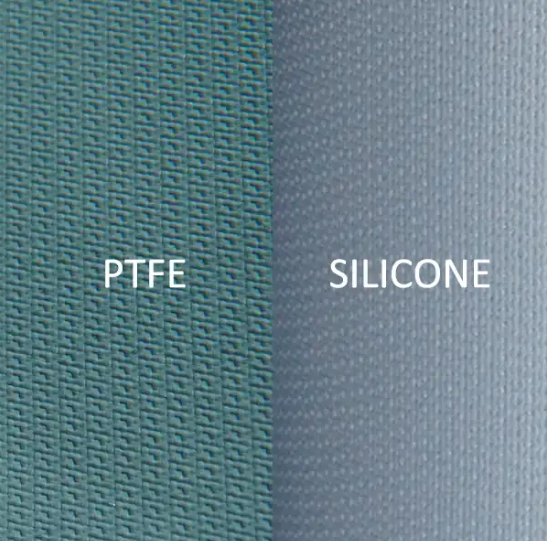
Introducing EAS Fiberglass Heat-Resistant Fabrics
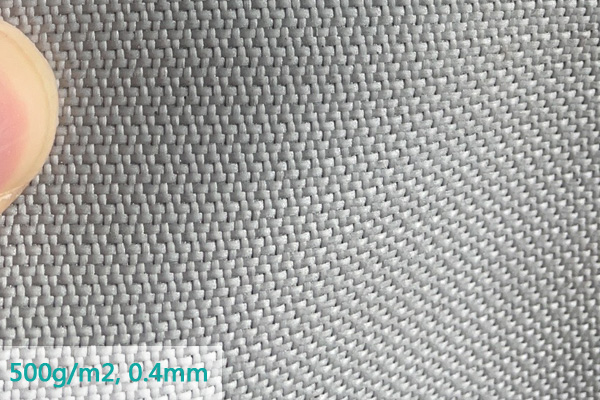
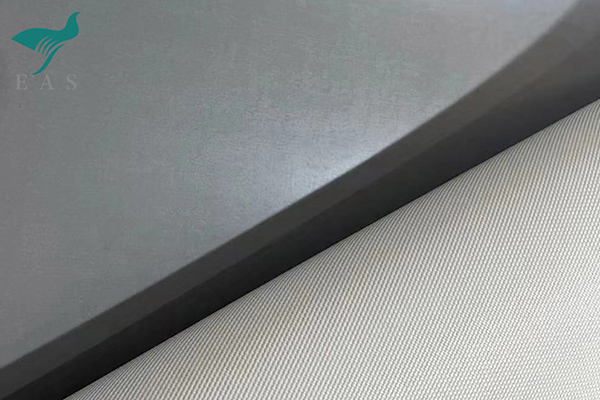
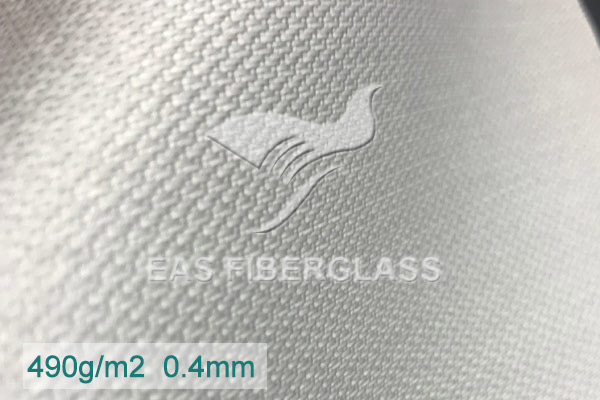
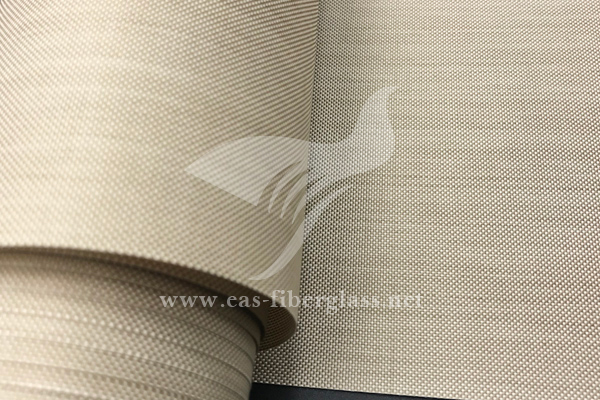
EAS Fiberglass manufactures high-temperature fabrics using premium woven fiberglass, enhanced with silicone or PTFE coatings. These coatings provide excellent resistance to heat, moisture, abrasion, and chemicals, turning the fabric into a durable, multi-functional material.
Widely used as outer layers for insulation systems, welding curtains, and equipment protection, these fabrics are engineered for harsh environments. From power generation to metalworking, EAS Fiberglass delivers reliable thermal protection and long-lasting performance where safety is essential.
What is Silicone-Coated Fiberglass Fabric?
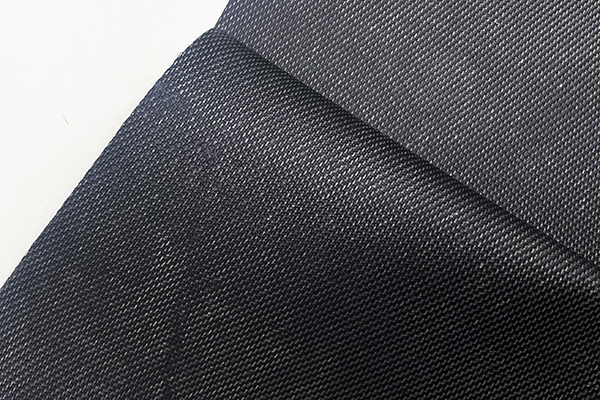
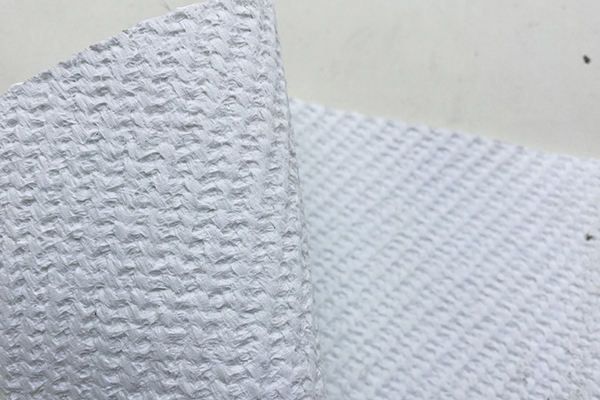
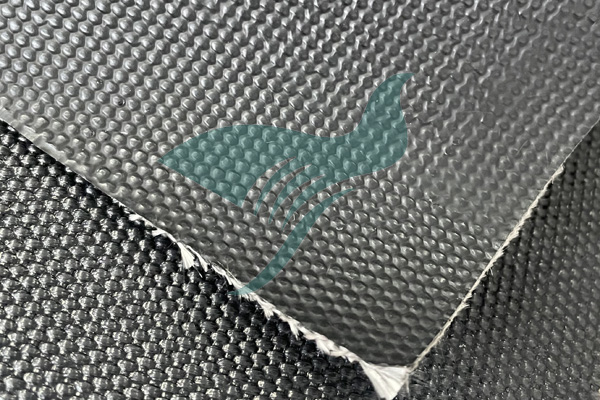
Silicone-coated fiberglass fabric combines strong woven fiberglass with heat-resistant, flexible silicone rubber. It performs reliably in extreme temperatures and resists chemicals, oil, and moisture.
Widely used in welding blankets, expansion joints, fire curtains, and insulation covers, it offers a durable solution where heat resistance and flexibility are critical.
Properties of Silicone-Coated Fiberglass Fabric
Silicone-coated fiberglass combines the strength of fiberglass with the flexibility of silicone, delivering reliable heat, moisture, and chemical resistance. It is widely used for high-temperature protection such as welding blankets, insulation covers, and fire curtains.
Key features:
What is PTFE-Coated Fiberglass Fabric?
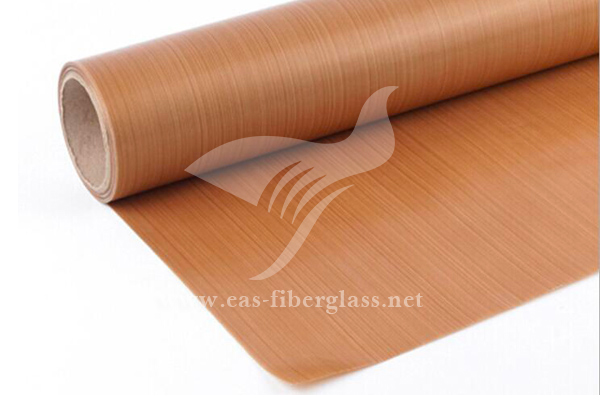
PTFE-coated fiberglass fabric is made by applying polytetrafluoroethylene (PTFE, commonly known as Teflon®) to woven fiberglass. It offers outstanding heat resistance, non-stick performance, and excellent chemical resistance.
The PTFE coating creates a smooth, easy-to-clean surface with strong electrical insulation, making it ideal for demanding industrial uses such as insulation covers, expansion joints, conveyor belts, gaskets, and high-temperature linings.
Properties of PTFE-Coated Fiberglass Fabric
PTFE-coated fiberglass offers superior performance in extreme industrial environments, especially where chemical exposure and high temperatures are involved.
Note: PTFE materials may contain PFAS, which are persistent in the environment and subject to increasing regulatory restrictions in some regions.
Key Differences: Silicone vs PTFE Coated Fiberglass Fabric
| Feature | Silicone Coated Fiberglass | PTFE Coated Fiberglass |
|---|---|---|
| Flexibility | Excellent | Moderate |
| Non-stick performance | Good | Exceptional |
| Chemical resistance | Moderate | Excellent |
| Temperature range | -73°C to 260°C | -73°C to 300°C |
| Cost | Lower | Higher |
| Fire performance | Better | Good |
| Typical applications | Flexible insulation covers, expansion joints, fire blankets | Non-stick surfaces, conveyors, expansion joints, insulation systems |
Summary:
Silicone is preferred for flexibility, sealing, and cost efficiency, while PTFE is chosen for superior non-stick performance, chemical resistance, and higher temperature capability.
Thermal Insulation Covers
Removable insulation covers (insulation jackets) are flexible thermal solutions made from silicone or PTFE coated fiberglass fabric. They wrap around pipes, valves, or equipment to reduce heat loss, improve efficiency, and allow easy maintenance access.
Fabric Expansion Joints
Fabric expansion joints absorb thermal movement, vibration, and stress in ducting and piping systems. They rely on silicone or PTFE coated fiberglass for flexibility and sealing performance.
Industrial Thermal Sealing Gaskets
Thermal gaskets provide sealing in high-temperature systems to prevent gas or fluid leakage in industries like chemical, oil, and food processing.